 PRADEEP ALBERT
The Science of Brain Health, Longevity, and Lifestyle Interventions
Introduction
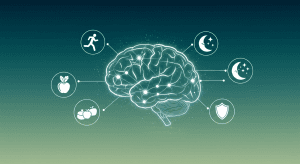
In recent years, the intersection of neuroscience, lifestyle medicine, and longevity research has provided groundbreaking insights into how we can optimize brain health and extend our healthspan. From understanding the role of oxidative stress in neurodegenerative diseases to the benefits of exercise and diet, this article delves into the essential concepts and actionable strategies for maintaining cognitive function and overall well-being as we age.
The Role of Exercise in Mental Health
Exercise is one of the most powerful tools for improving mental health. Studies have consistently shown that physical activity can be as effective as antidepressant medications for treating depression, without the side effects. Exercise boosts the production of neurotransmitters like serotonin and dopamine, which play a critical role in mood regulation. Additionally, it enhances endorphin levels, providing a natural “high” that can alleviate stress and anxiety.
High-intensity interval training (HIIT) is particularly effective for improving cardiovascular fitness and mental health. By pushing the body to its limits in short bursts, HIIT not only improves physical endurance but also enhances cognitive function. The benefits of exercise extend beyond mental health, contributing to better sleep, weight management, and overall longevity.
Concussions and Brain Health
Concussions are a significant concern, particularly for athletes and individuals engaged in high-impact activities. A concussion is defined as a transient disturbance of neurological function caused by mechanical forces, often resulting in symptoms like headaches, fogginess, and difficulty processing information. Contrary to popular belief, only about 10% of concussions involve a loss of consciousness.
One of the most critical aspects of concussion management is ensuring that individuals do not return to physical activity too soon. Returning to sports before the brain has fully healed can lead to second impact syndrome, a potentially fatal condition characterized by cerebral edema and hyperperfusion. Advances in concussion detection technology, such as wearable devices that measure g-forces, are helping to improve safety protocols and reduce the risk of long-term brain damage.
Oxidative Stress and Neurodegenerative Diseases
Oxidative stress is a key factor in the development of neurodegenerative diseases like Alzheimer’s and Parkinson’s. Oxidative stress occurs when there is an imbalance between free radicals and antioxidants in the body, leading to cellular damage. In the brain, this damage can result in the accumulation of harmful proteins like beta-amyloid plaques and neurofibrillary tangles, which are hallmarks of Alzheimer’s disease.
Research has shown that oxidative stress can be mitigated through lifestyle interventions such as diet, exercise, and sleep. Antioxidants like glutathione play a crucial role in neutralizing free radicals and protecting brain cells from damage. Additionally, reducing exposure to environmental toxins and managing stress can further lower oxidative stress levels.
The Importance of Sleep for Brain Health
Sleep is essential for brain health, particularly for the glymphatic system, which is responsible for clearing waste products from the brain. During sleep, the glymphatic system becomes more active, removing toxins like beta-amyloid plaques that accumulate during waking hours. Poor sleep has been linked to an increased risk of neurodegenerative diseases, making it a critical component of any brain health regimen.
In addition to its role in waste clearance, sleep is vital for memory consolidation and emotional regulation. Chronic sleep deprivation can lead to cognitive decline, mood disorders, and a weakened immune system. Prioritizing sleep hygiene—such as maintaining a consistent sleep schedule and creating a restful sleep environment—can significantly improve overall brain health.
The Ketogenic Diet and Cancer
The ketogenic diet, which is high in fats and low in carbohydrates, has gained attention for its potential benefits in cancer treatment. Cancer cells rely heavily on glucose for energy, and by drastically reducing carbohydrate intake, the ketogenic diet starves cancer cells while providing the body with energy through ketones. This metabolic shift can enhance the effectiveness of traditional cancer treatments like chemotherapy and radiation.
Beyond cancer, the ketogenic diet has shown promise in managing other conditions, including epilepsy and neurodegenerative diseases. By reducing oxidative stress and inflammation, the diet may help protect brain cells and improve cognitive function. However, it is essential to consult with a healthcare professional before starting a ketogenic diet, as it may not be suitable for everyone.
VO2 Max and Longevity
VO2 max, or maximal oxygen uptake, is a measure of cardiovascular fitness and a strong predictor of longevity. It reflects the body’s ability to absorb and utilize oxygen during exercise, which is critical for energy production and overall health. Higher VO2 max levels are associated with a reduced risk of chronic diseases, improved cognitive function, and increased lifespan.
Improving VO2 max can be achieved through regular aerobic exercise, particularly high-intensity interval training (HIIT). Activities like running, cycling, and swimming are excellent ways to boost cardiovascular fitness and enhance oxygen utilization. Monitoring VO2 max over time can provide valuable insights into overall health and guide personalized fitness plans.
Environmental Toxins and Brain Development
Environmental toxins, such as marijuana and alcohol, can have a profound impact on brain development, particularly in adolescents. The teenage brain is still maturing, with the connectome—the brain’s wiring diagram—not fully developed until the mid-20s. Exposure to toxins during this critical period can disrupt synaptic connections and lead to long-term cognitive and behavioral issues.
Marijuana use, in particular, has been linked to an increased risk of addiction, schizophrenia, and other psychiatric disorders. While recreational use may be legal in some areas, it is essential to recognize the potential risks, especially for young people. Educating individuals about the dangers of environmental toxins and promoting healthy lifestyle choices can help protect brain health and support optimal development.
Hyperbaric Oxygen Therapy (HBOT)
Hyperbaric oxygen therapy (HBOT) is a treatment that involves breathing pure oxygen in a pressurized chamber. This therapy has shown promise in treating a variety of conditions, including traumatic brain injuries, stroke, and spinal cord injuries. By increasing oxygen levels in the blood, HBOT can promote healing, reduce inflammation, and enhance cognitive function.
Despite its potential benefits, HBOT remains underutilized in many medical settings. More research is needed to fully understand its mechanisms and optimize its use for different conditions. However, for individuals with severe brain injuries or chronic conditions, HBOT may offer a valuable adjunct to traditional treatments.
Balancing Work, Family, Spirituality, and Physical Health
Maintaining a balanced life is essential for overall well-being and longevity. A balanced life involves prioritizing four key areas: work, family and social connections, spirituality, and physical health. Neglecting any one of these areas can lead to burnout, stress, and a decline in mental and physical health.
Mindfulness and self-awareness are critical for achieving balance. Regularly assessing your stress levels and making adjustments to your daily routine can help prevent burnout and promote a healthier, more fulfilling life. By focusing on these four pillars, individuals can enhance their cognitive function, emotional resilience, and overall quality of life.
Lessons Learned
Brain health and longevity are deeply interconnected, with lifestyle choices playing a pivotal role in determining our cognitive function and overall well-being. From exercise and diet to sleep and stress management, the strategies discussed in this article offer a comprehensive approach to optimizing brain health and extending healthspan. By understanding the science behind these interventions and implementing them in our daily lives, we can take proactive steps toward living longer, healthier, and more fulfilling lives.