 PRADEEP ALBERT
Unlocking the Power of Glutathione: Your Body's Master Antioxidant

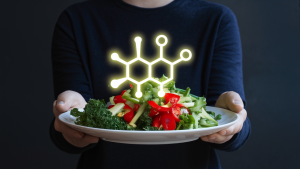
In the realm of health and wellness, there is one molecule that stands out as a true powerhouse: glutathione. Often referred to as the body’s master antioxidant, glutathione plays a crucial role in protecting our cells from damage caused by toxins, free radicals, and oxidative stress. By understanding the importance of glutathione and learning how to boost its levels in our bodies, we can take a significant step towards optimal health and well-being.
What is Glutathione?
Glutathione is a tripeptide, meaning it is composed of three amino acids: glycine, glutamine, and cysteine. The presence of cysteine, which contains sulfur, gives glutathione its unique properties. This sticky sulfur compound acts like flypaper, attracting and binding to toxins in the body, making it easier for the body to eliminate them.
Our bodies naturally produce glutathione, but various factors can lead to a depletion of this essential molecule. Exposure to toxins, such as heavy metals, pesticides, and plastics, can overwhelm the body’s detoxification pathways, leading to a deficiency in glutathione. Additionally, some individuals may have genetic variations that impair their ability to produce adequate amounts of glutathione, making them more susceptible to the harmful effects of toxins and oxidative stress.
The Three Key Functions of Glutathione
Glutathione serves three primary functions in the body:
- Detoxification: As mentioned earlier, glutathione acts as the body’s main detoxifier, binding to toxins and facilitating their removal from the body.
- Antioxidant: Glutathione is a powerful antioxidant that protects cells from damage caused by free radicals and oxidative stress. It works by donating an electron to neutralize these harmful molecules, preventing them from causing cellular damage.
- Immune regulation: Glutathione plays a crucial role in regulating the body’s immune function, helping to ensure that the immune system responds appropriately to threats while avoiding excessive inflammation.
Boosting Glutathione Levels Naturally
Given the importance of glutathione in maintaining optimal health, it is essential to understand how we can boost its levels in our bodies. Here are some effective strategies:
1. Eat Sulfur-Rich Foods
Consuming foods that are rich in sulfur compounds can help support glutathione production. Some of the best sources include:
- Allium family: Garlic, onions, leeks, and shallots
- Cruciferous vegetables: Broccoli, kale, cabbage, Brussels sprouts, and cauliflower
- Other sulfur-rich foods: Arugula, watercress, and cilantro
2. Incorporate Whey Protein
Whey protein, especially from grass-fed goat milk, is an excellent source of cysteine, the amino acid that plays a crucial role in glutathione production. When choosing a whey protein supplement, opt for a high-quality, minimally processed product to ensure maximum bioavailability.
3. Exercise Regularly
Regular physical activity has been shown to boost glutathione levels in the body. Exercise stimulates the production of antioxidants, including glutathione, and helps improve overall immune function. Aim for at least 30 minutes of moderate-intensity exercise most days of the week.
4. Reduce Exposure to Toxins
Minimizing your exposure to toxins can help reduce the burden on your body’s detoxification pathways, allowing glutathione to function more effectively. Some simple steps you can take include:
- Choosing organic produce whenever possible
- Using natural, non-toxic cleaning and personal care products
- Filtering your drinking water to remove contaminants
- Avoiding processed and packaged foods that may contain harmful additives
5. Consider Targeted Supplements
In addition to dietary and lifestyle changes, certain supplements can help support glutathione production and function. Some of the most effective include:
- N-acetyl cysteine (NAC): A precursor to glutathione that helps boost its levels in the body
- Alpha-lipoic acid: A powerful antioxidant that supports glutathione production and recycling
- B vitamins (B6, B12, and folate): Essential for proper methylation, a process that works in tandem with glutathione to support detoxification
- Selenium: A mineral that serves as a cofactor for the enzyme glutathione peroxidase, which plays a key role in antioxidant defense
- Milk thistle: An herb that supports liver function and glutathione production
The Importance of Methylation and Sulfation
Methylation and sulfation are two interconnected biochemical processes that play a crucial role in supporting glutathione function. Methylation, which is dependent on adequate levels of B vitamins, works in tandem with sulfation to support detoxification and overall health. Disruptions in these cycles can contribute to a wide range of health issues, including heart disease, cancer, diabetes, dementia, and autism.
To support optimal methylation and sulfation, it is essential to ensure adequate intake of B vitamins (particularly B6, B12, and folate) through a balanced diet and targeted supplementation when necessary. Additionally, consuming sulfur-rich foods and supporting glutathione production through the strategies mentioned earlier can help promote the smooth functioning of these vital biochemical processes.
Key Takeaways
Glutathione is a true powerhouse when it comes to protecting our health and well-being. By understanding its crucial roles in detoxification, antioxidant defense, and immune regulation, we can take proactive steps to support our body’s natural production of this essential molecule. Incorporating sulfur-rich foods, whey protein, regular exercise, and targeted supplements into our daily routines can help boost glutathione levels and promote optimal health. Additionally, by minimizing our exposure to toxins and supporting the interconnected processes of methylation and sulfation, we can create a robust foundation for long-term wellness. By harnessing the power of glutathione, we can unlock the key to a healthier, more vibrant life.