 PRADEEP ALBERT
Unraveling the Mysteries of Sleep
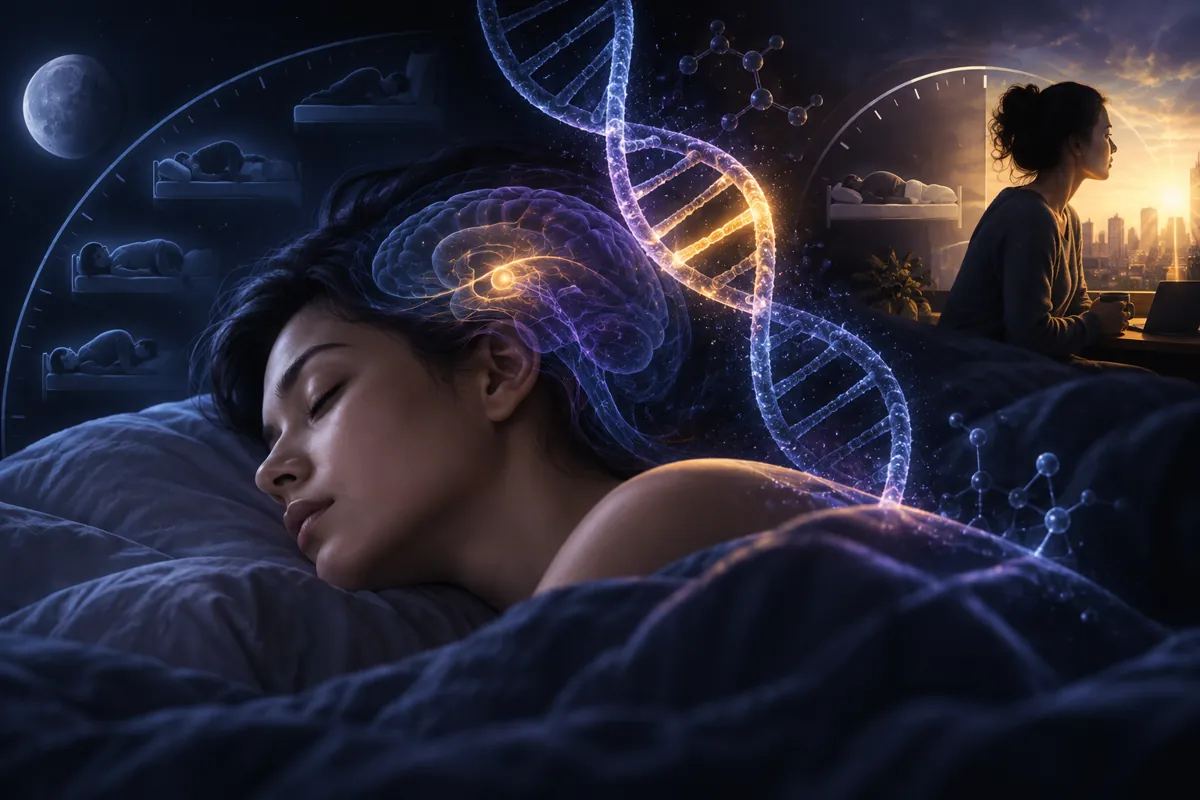
Decoding Genetics Behind Short Sleepers
Most people need 7-9 hours of sleep per night for optimal health and performance. But rare genetic mutations like DEC2 allow some to function on less. These “short sleepers” only require around 6-6.5 hours of shut-eye without negative effects.
Initially, DEC2 short sleep may seem enviously efficient. But current data cannot confirm whether such abbreviated rest suffices long-term. And subtle deficiencies in certain sleep stages raise questions about hidden health risks over decades.
Prevalence and Sleep Patterns
Currently, DEC2 prevalence estimates indicate less than 1% of humans carry this mutation. So chances are slim you possess this enigmatic gene. Proclaimed short-sleeping icons like Thatcher and Trump likely do not either, since DEC2 carriers still average 6-6.5 nightly hours once modernity’s endless stimuli retreat.
Without phones or clocks, DEC2 “sleep rebound” studies reveal these mutants’ innate biological drive peaks around 6.25 hours. Comparatively, non-carriers’ sleep appetite equilibrates around 7.5-9.5 hours when similarly assessed.
Lingering Unknowns
Despite intense scientific curiosity surrounding DEC2 capabilities, many questions persist. Small sample sizes prohibit conclusions on whether health and longevity suffer long-haul. Ethical considerations bar rapid insights from purposefully manipulating human sleep over decades.
Some concerning clues do emerge from animal models, however. Selectively preventing rapid eye movement (REM) sleep proves remarkably life-threatening. Yet early DEC2 analyses note this stage appears partially reduced. So could hidden mortality risks lurk within their perfectly efficient regimen?
Cautious Interpretation
Currently no evidence confirms DEC2 mutations increase, decrease or alter lifetime disease susceptibility. But scientifically determining if condensed sleep truly suffices long-term remains impossible without sizable, prolonged investigations.
For now, such extreme deviations from population norms offer more instructive puzzles than enviable advantages. As researchers persist probing genetic sleep mysteries, most individuals should continue targeting 7-9 nocturnal hours to err on the side of caution.
How Sleep Position Affects Health
Beyond innate sleep needs, could adjustable factors like sleeping postures improve rest for all? Intuitively, choosing positions catering to individual issues appears sensible. But limited quality research prevents definitive conclusions.
Apnea and Alignment
Sleep apnea patients widely report worsening symptoms attempting slumber flat on their back. Gravity’s influence likely explains much of this effect. Lying supine allows the tongue to collapse backwards into airways easier for those with underlying anatomy predispositions.
Conversely, side sleeping better maintains tongue support and often opens airways more for apnea sufferers. So patients with this prevalent disorder tend to report better rest laterally aligned.
Insufficient Wider Evidence
Beyond breathing-related sleep disturbances, data remains sparse on optimal postures for general populations. Small, poorly controlled studies provide hints, including stirring slightly more in certain positions.
But substantially larger, well-designed experiments are still needed to determine if factors like spinal alignment meaningfully impact sleep quality for most. And even apnea-prone individuals likely tolerate some back sleeping without detriment.
So while fine-tuning comfort optimizes chances for sounder sleep, no posture presents proven perfection or danger for adults without special needs. Simply sustaining any position through the night implies satisfactory rest.
Lifestyle Factors Influencing Sleep
Though limited in supporting particular sleep postures, research clearly demonstrates specific behaviors impairing sleep quantity and quality for many.
Caffeine
Consuming caffeine too close to bedtime can make initially falling asleep or reinitiating sleep after night awakenings more difficult. Caffeine blocks adenosine receptors in the brain, counteracting sleep pressure.
Effects vary based on individual sensitivity determined by factors like genetics and prior exposure. But generally limiting caffeine at least 6 hours before bedtime provides a sufficient buffer for most people.
Evening Sex and Sleep
Engaging in sex leads to post-coital neurotransmitter surges which can temporarily counter sleepiness. So while satisfying for relationships, late-night intercourse risks sleep disruptions.
However, engaging earlier in the day offers benefits like mood improvement and bonding without nocturnal sleep interference. So timing matters greatly in balancing intimacy’s pros and cons.
Insomniac Infants
Frequently interrupted sleep commonly plagues parents of young children. Especially during infancy, babies’ feeding demands and helplessness to self-soothe lead to taxing awakenings.
Establishing sustainable care trade-offs and naps lowers deprivation risks. But until children sleep more independently, fatigue remains inevitable for most caretakers during early parenting years.
Prioritizing Sleep Disorder Identification
Beyond lifestyle factors, an estimated 50-70 million Americans suffer from over 80 different sleep disorders contributing to insufficient rest.
Among these, sleep apnea impairs breathing to frequently halt air intake entirely, preventing truly restorative sleep. Studies link untreated apnea with hypertension, heart disease, diabetes, depression and dementia.
Yet over 80% of sufferers lack formal diagnoses. Seeking treatment begins with honest symptom self-assessments. Do you snore, gasp awake or wake unrested despite enough sleep? Daytime sleepiness and fatigue despite sufficient rest also raise red flags.
If screening inquiries prove concerning, sleep specialists can objectively measure sleep physiology and breathing via equipment tests. Once identified, modern interventions like pressurized air masks reliably improve apnea in most patients.
Prioritizing even basic sleep disorder identification improves health and quality of life immeasurably. So if exhaustion plagues your days no matter your perceived nightly rest, seek professional evaluations. Chances are your undisrupted yet unrefreshing sleep suffers from treatable conditions.