 PRADEEP ALBERT
Unraveling the Science of Testosterone and Its Replacement
What is Testosterone and How Does it Work?
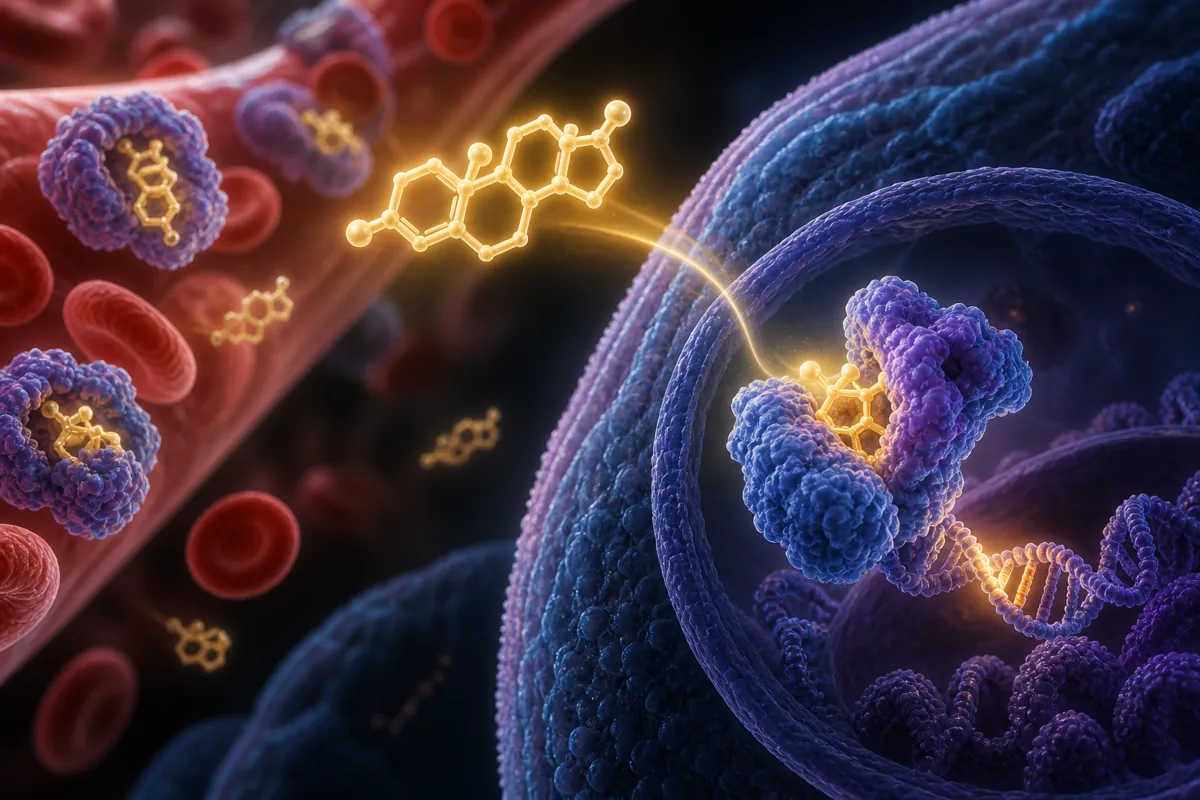
Testosterone is a steroid hormone synthesized from cholesterol. It enters cells and binds to androgen receptors, causing genes to turn on or off. Only “free” testosterone that is not bound to proteins in the bloodstream is biologically active.
When testosterone binds to androgen receptors in cells, it undergoes a conformational change and enables a dimerization process. This results in new molecules that can travel to the nucleus, bind to DNA, and influence gene transcription by turning genes on or off.
In this way, testosterone exerts effects related to growth, development, and anabolic processes in the body. It also interacts with enzymes that can convert some testosterone into dihydrotestosterone (DHT) or estradiol.
Regulation of Testosterone Production
The hypothalamus in the brain secretes gonadotropin-releasing hormone (GnRH), which stimulates the nearby pituitary gland. This causes the pituitary to secrete luteinizing hormone (LH) and follicle-stimulating hormone (FSH).
LH and FSH enter the bloodstream and act on the testes. Specifically, they stimulate Leydig cells to produce testosterone and other androgens. As testosterone levels rise, this signals back to the hypothalamus and pituitary to reduce further LH/FSH production.
This negative feedback loop aims to keep testosterone levels within a narrow range. When testosterone gets too high, it signals to lower LH/FSH production. When testosterone drops too low, a lack of feedback stimulation causes LH/FSH secretion to rise.
Defining Low Testosterone
There is no definitive threshold for “low” testosterone that applies to all men. Testosterone ranges are very dependent on age. In general, most experts say that total testosterone levels:
- Below 300-350 ng/dL often cause symptoms
- Below 400-500 ng/dL with symptoms may warrant treatment
However, some men maintain youthful vitality at relatively low levels, while others develop symptoms prematurely. Doctors also look at “free” or unbound testosterone, as this correlates best with symptoms.
Benefits of Testosterone Replacement
When low testosterone is replaced with supplements, many men experience improvements in:
- Libido and sexual function
- Energy, motivation, and vitality
- Cognition, memory, and mood
- Muscle mass and body composition
- Bone mineral density
Together, these translate into better quality of life, especially for men who develop testosterone deficiency at an early age.
Risks of Testosterone Replacement
Testosterone therapy does carry some risks, including:
- Infertility due to testicular atrophy
- Acne and other skin changes
- Sleep apnea worsening
- Gynecomastia (breast tissue growth)
- Polycythemia (elevated red blood cell count)
- Possibility of cardiovascular events
- Potential stimulation of prostate cancer
However, data remains quite mixed on whether heart disease or prostate cancer risks are actually elevated with TRT. More research is emerging to clarify these relationships.
Takeaways on Testosterone
In summary, testosterone is a vital hormone that regulates many aspects of men’s health. Age-related decline is very common, leading to a constellation of symptoms.
Replacement therapy can produce substantial benefits but also some risks. Working with medical providers to monitor progress with lab testing is important for maximizing benefits and minimizing adverse outcomes.