 PRADEEP ALBERT
Demystifying Lipoproteins: A Closer Look at These Crucial Particles
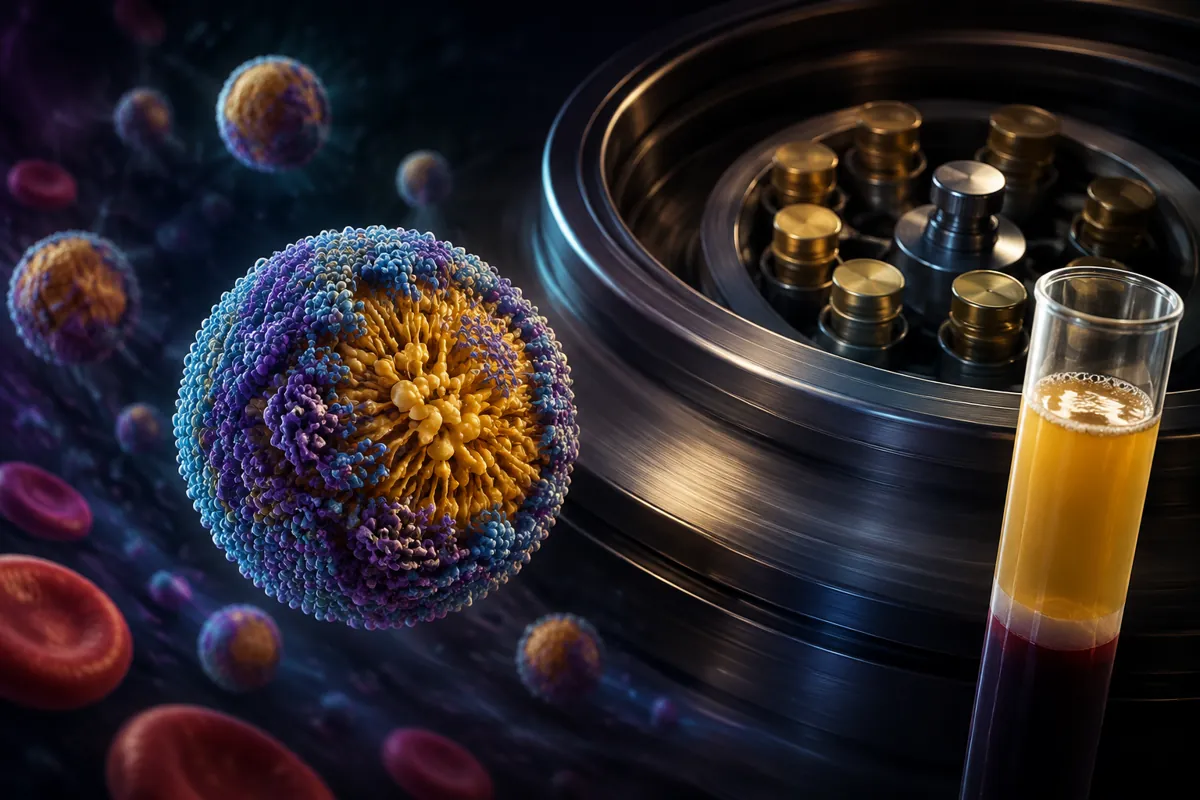
The Discovery of Lipoproteins
In the 1940s, scientist John Gofman made a pivotal discovery – that fats and cholesterol do not travel solo through the bloodstream. Instead, they ride along inside spherical particles called lipoproteins. Gofman uncovered lipoproteins’ existence using an ultracentrifuge, which spins blood plasma at high speeds to separate its components by density.
It soon became clear that different lipoproteins have varying densities based on their composition. The denser ones contain more protein, while the more buoyant lipoproteins are richer in hydrophobic fats and lipids that would not normally mix with watery blood. Further research characterized the major lipoprotein categories including chylomicrons, very low-density lipoproteins (VLDL), intermediate-density lipoproteins (IDL), low-density lipoproteins (LDL), and high-density lipoproteins (HDL).
Why Do We Need Lipoproteins?
Lipoproteins serve the crucial function of transporting non-water soluble lipids through the blood to where they need to go. Without their protein “shell”, cholesterol and triglycerides could not traverse through plasma. Lipoproteins allow these hydrophobic molecules to reach all tissues for functions ranging from cell membrane integrity to hormone production.
Chylomicrons and VLDL: The Triglyceride Transporters
After a meal, the intestines and liver produce lipoproteins called chylomicrons and VLDL primarily tasked with distributing triglycerides. Rich in lipids, these particles start out relatively large and buoyant. Enzymes called lipases progressively break down their triglyceride content, making the particles smaller and denser as they shrink.
IDL and LDL: Shrunken Remnants
As triglyceride-depleted chylomicron and VLDL remnants get even smaller, they become IDL and LDL particles. Though now slimmed down, these lipoproteins still transport cholesterol esters and other lipids to various tissues.
HDL: The Reverse Transporter
Unlike the other lipoproteins, HDL starts small and dense. As HDL picks up excess cholesterol from tissues and ferries it to the liver for recycling or disposal, the particles become larger and more buoyant. This reverse transport function makes HDL highly protective against atherosclerosis.
Apoproteins: Directing Traffic
While lipids fill lipoproteins’ interiors, specific proteins called apolipoproteins stud their outer surface. These serve many functions from structural integrity to binding with cell receptors. Different apolipoproteins can hop on and off, but one in particular remains permanently embedded.
ApoB-100: The Identifier
ApoB-100, found in all VLDL, IDL and LDL particles, acts like an address code. This lets cell receptors recognize wayward lipoproteins and remove them from circulation. Measuring ApoB-100 levels provides a precise count of these atherogenic particles – unlike indirect cholesterol readings.
Common Lipid Tests and What They Mean
Total Cholesterol
Despite its name, a total cholesterol test does not measure all blood cholesterol. Rather, it sums up the amount inside all lipoproteins floating in plasma. This provides little informtion about the number or type of particles actually present.
LDL Cholesterol
This test gauges cholesterol content specifically within LDL particles. But LDL particle number and size can vary tremendously even with identical cholesterol levels. And evidence clearly shows particle number best predicts cardiovascular disease risk.
HDL Cholesterol
Like LDL cholesterol, the amount inside HDL fails to reflect the concentration or functionality of good HDL particles. Though still included on standard lipid panels, HDL cholesterol correlates poorly with heart disease risk compared to other metrics.
Non-HDL Cholesterol
Defined as total minus HDL cholesterol, this calculation provides a rough estimate of the cholesterol being carried by atherogenic particles. ApoB testing gives a more direct measurement, but non-HDL cholesterol offers a reasonable alternative.
ApoB and ApoA-1
As protein components of lipoproteins, apolipoprotein testing offers advantages over lipid-only assessments. An ApoB reading discloses the total burden of atherogenic particles. counter that risk. As research progresses, expect apolipoproteins to feature more prominently than cholesterol content.
Takeaways on Lipoprotein Physiology
- Lipoproteins transport hydrophobic lipids through the bloodstream
- Different types follow particular metabolic pathways
- Apoproteins direct traffic by binding cell receptors
- Common lipid tests have significant limitations
- ApoB and ApoA1 better predict heart disease risk
Though unraveling the intricacies of lipoproteins challenges even lipid specialists, grasping these basics empowers patients to make smarter decisions about their cardiovascular health.