 PRADEEP ALBERT
Hyperbaric Oxygen Therapy: A Revolutionary Approach to Longevity and Tissue Regeneration
Understanding Hyperbaric Oxygen Therapy (HBOT)
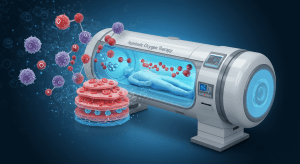
Hyperbaric Oxygen Therapy (HBOT) represents a groundbreaking advancement in medical science, offering promising possibilities for longevity enhancement and tissue regeneration. This therapeutic approach involves exposing patients to pure oxygen under carefully controlled pressure conditions, triggering profound biological responses within the body.
The fundamental principle behind HBOT lies in its ability to significantly increase oxygen levels in the body’s tissues. Under normal conditions, oxygen is primarily transported through hemoglobin in red blood cells. However, HBOT enables oxygen to dissolve directly into all body fluids, including the plasma, cerebrospinal fluid, and lymph, reaching areas where red blood cells cannot penetrate.
The Science of Oxygen Fluctuation
One of the most fascinating aspects of HBOT is its utilization of oxygen fluctuation to stimulate cellular regeneration. This process involves alternating between states of hyperoxia (excess oxygen) and relative hypoxia (reduced oxygen), creating a unique biological environment that activates the body’s natural healing mechanisms.
During treatment, patients experience precisely controlled changes in oxygen levels, which trick the body into initiating various regenerative processes. This fluctuation is crucial, as maintaining constantly elevated oxygen levels would not produce the same beneficial effects.
Cellular and Molecular Mechanisms
At the cellular level, HBOT triggers several important mechanisms. The therapy stimulates angiogenesis, the formation of new blood vessels, which improves circulation and oxygen delivery to tissues. Additionally, it promotes neurogenesis, the creation of new neural connections, particularly significant for brain health and cognitive function.
The molecular response to HBOT includes the activation of stem cells and the release of growth factors. These processes are essential for tissue repair and regeneration, contributing to the therapy’s wide-ranging benefits.
Impact on Brain Health and Cognition
One of the most promising applications of HBOT relates to brain health. The therapy has shown remarkable potential in improving cognitive function and treating various neurological conditions. By enhancing oxygen delivery to the brain, HBOT can help repair damaged neural tissue and promote the formation of new neural pathways.
Research has demonstrated improvements in memory, attention, and processing speed following HBOT treatment. These cognitive enhancements are particularly significant in the context of age-related cognitive decline and neurodegenerative conditions.
Systemic Benefits Beyond the Brain
While brain health is a primary focus, HBOT’s benefits extend throughout the body. The therapy has shown positive effects on cardiac function, improving heart health and circulation. Sexual health also benefits from enhanced blood flow and tissue regeneration.
Skin health and appearance can improve through increased collagen production and enhanced cellular repair mechanisms. The therapy also boosts mitochondrial function, the cellular powerhouses responsible for energy production.
The Importance of Professional Administration
The effectiveness and safety of HBOT depend crucially on proper administration in a professional medical setting. The therapy requires specialized equipment and trained personnel to monitor and adjust treatment parameters accurately.
Concerns exist regarding non-medical facilities offering substandard HBOT services. These operations often use inadequate equipment and lack proper medical supervision, potentially compromising both safety and effectiveness.
Technical Requirements and Safety Protocols
Professional HBOT chambers must meet strict medical standards and specifications. These chambers provide precise control over pressure levels and oxygen concentration, essential for achieving therapeutic benefits while maintaining safety.
Proper protocols include thorough patient screening, continuous monitoring during sessions, and careful management of treatment parameters. These measures ensure optimal outcomes while minimizing any potential risks.
Applications in Longevity Medicine
HBOT shows particular promise in the field of longevity medicine. Research indicates potential effects on telomere length, biological markers associated with cellular aging. By influencing these fundamental aspects of cellular health, HBOT may contribute to extending healthy lifespan.
The therapy’s ability to stimulate tissue regeneration and repair makes it a valuable tool in addressing age-related decline across multiple body systems.
Future Research Directions
Ongoing research continues to explore new applications and optimize treatment protocols for HBOT. Clinical trials are investigating its potential in treating various age-related conditions, including Alzheimer’s disease and other neurodegenerative disorders.
Scientists are also working to better understand the molecular mechanisms underlying HBOT’s effects, which could lead to more targeted and effective treatments.
Clinical Considerations and Patient Selection
Successful HBOT treatment requires careful patient selection and individualized treatment planning. Factors such as medical history, current health status, and specific therapeutic goals must be considered when developing treatment protocols.
Regular assessment and monitoring help ensure optimal outcomes and allow for adjustments to treatment parameters as needed.
Complementary Therapeutic Approaches
HBOT often works best as part of a comprehensive treatment approach. Integration with other therapeutic modalities and lifestyle interventions can enhance overall outcomes and support long-term health improvements.
This holistic approach considers factors such as nutrition, exercise, stress management, and other elements that contribute to overall health and longevity.
Conclusion
Hyperbaric Oxygen Therapy represents a significant advancement in regenerative medicine and longevity science. Its ability to stimulate natural healing processes through controlled oxygen delivery offers promising possibilities for treating various conditions and supporting healthy aging.
As research continues and technology advances, HBOT’s role in medical treatment and preventive health care is likely to expand, potentially revolutionizing our approach to aging and tissue regeneration.