 PRADEEP ALBERT
Rethinking Cancer as a Metabolic Disease
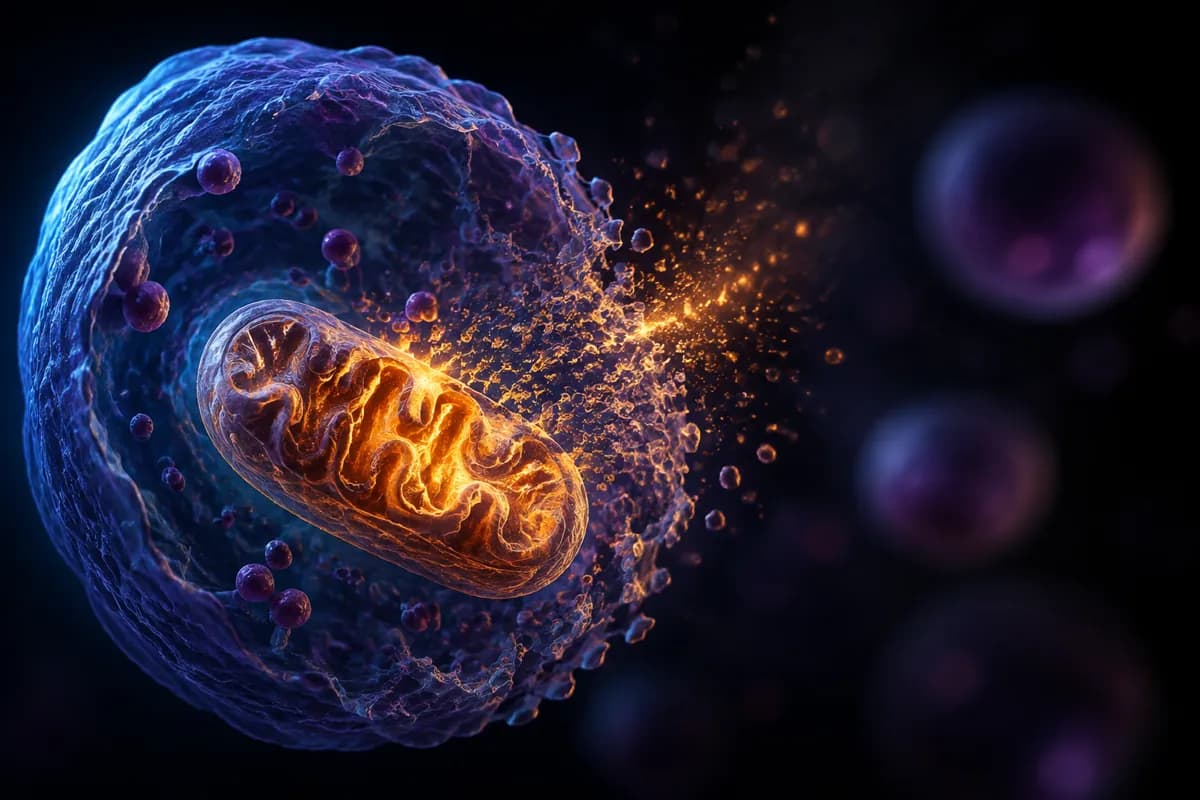
The Minority View of Cancer’s Origins
The traditional view of cancer is that it arises primarily from genetic mutations. However, Dr. Thomas Seyfried, a professor of biology at Boston College, holds a minority perspective that cancer is fundamentally a disease of defective cellular respiration and mitochondrial dysfunction rather than genetic abnormalities.
In his view, while some cancers can be sparked by genetic mutations, these mutations typically end up damaging the respiration capacity of mitochondria. As long as mitochondria remain healthy, cancer does not occur. This places cellular metabolism at the crux of cancer’s origins.
Warburg Observations on Cancer Cell Metabolism
Dr. Seyfried’s metabolic theory of cancer builds upon observations made by Nobel laureate Otto Warburg in the 1920s. Warburg discovered that unlike normal cells, cancer cells tend to ferment glucose into lactate regardless of oxygen availability – a phenomenon now known as the “Warburg Effect.”
Warburg proposed that this aberrant metabolism stemmed from impairment in the respiratory machinery inside the mitochondria of cancer cells. Over the decades, however, the majority of cancer researchers came to dismiss his theory in favor of a genetic basis for cancer.
The Case for Cancer as a Metabolic Disease
According to Dr. Seyfried, modern molecular biology tools have reinforced Warburg’s notion of defective mitochondrial respiration in cancer by revealing abnormalities in mitochondrial structure, number, and function across virtually all cancer subtypes.
He argues that while genetic mutations can play a role, they primarily contribute to cancer formation by damaging mitochondria. As long as mitochondrial respiration remains intact, cancer does not emerge – placing cellular metabolism at the crux of cancer’s origins.
Alternative Explanations for the Warburg Effect
Dr. Seyfried rebuts alternative hypotheses for the Warburg phenomenon like the notion that cancer cells ferment lactate while also respiring normally to meet their frenzied growth demands. He contends that with impaired respiration, cancer cells physically cannot perform oxidative phosphorylation to any meaningful degree.
Substrate-Level Phosphorylation
So how do cancer cells generate enough ATP? According to Dr. Seyfried, most energy generation occurs through substrate-level phosphorylation – an ancient mechanism that transfers phosphate groups from organic substrates like glutamine onto ADP inside mitochondria.
This alternate ATP production pathway requires no oxygen and helps cancer cells compensate for deficiencies in oxidative phosphorylation – lending further support to metabolic dysfunction as the primary driver.
Starving Cancer Through Diet
Based on a metabolic model of cancer, Dr. Seyfried advocates for dietary therapies that restrict the fermentable fuels cancer cells need, like glucose and glutamine. This includes ketogenic diets and calorie restriction to lower blood sugar and deprive tumors of their preferred substrates.
The therapeutic goal is to preferentially starve cancer cells while normal cells transition to using ketones and become increasingly competitive with tumors for remaining glucose. Careful clinical application of such metabolic strategies may help manage certain cancers, but more research is still needed.
Ongoing Debate and Emerging Views
The debate continues over whether genetic alterations or metabolic dysfunction represent the primary driver of cancer onset and progression. Dr. Seyfried stands largely on the sidelines of mainstream oncology with his minority viewpoint.
However, through new work by leading researchers and oncologists, modern cancer paradigms may slowly be shifting to acknowledge metabolic signaling pathways and diet-based anti-cancer approaches as part of a multifaceted, full-on attack against this devastating disease.