 PRADEEP ALBERT
Uncovering the Silent Epidemic: Non-Alcoholic Fatty Liver Disease
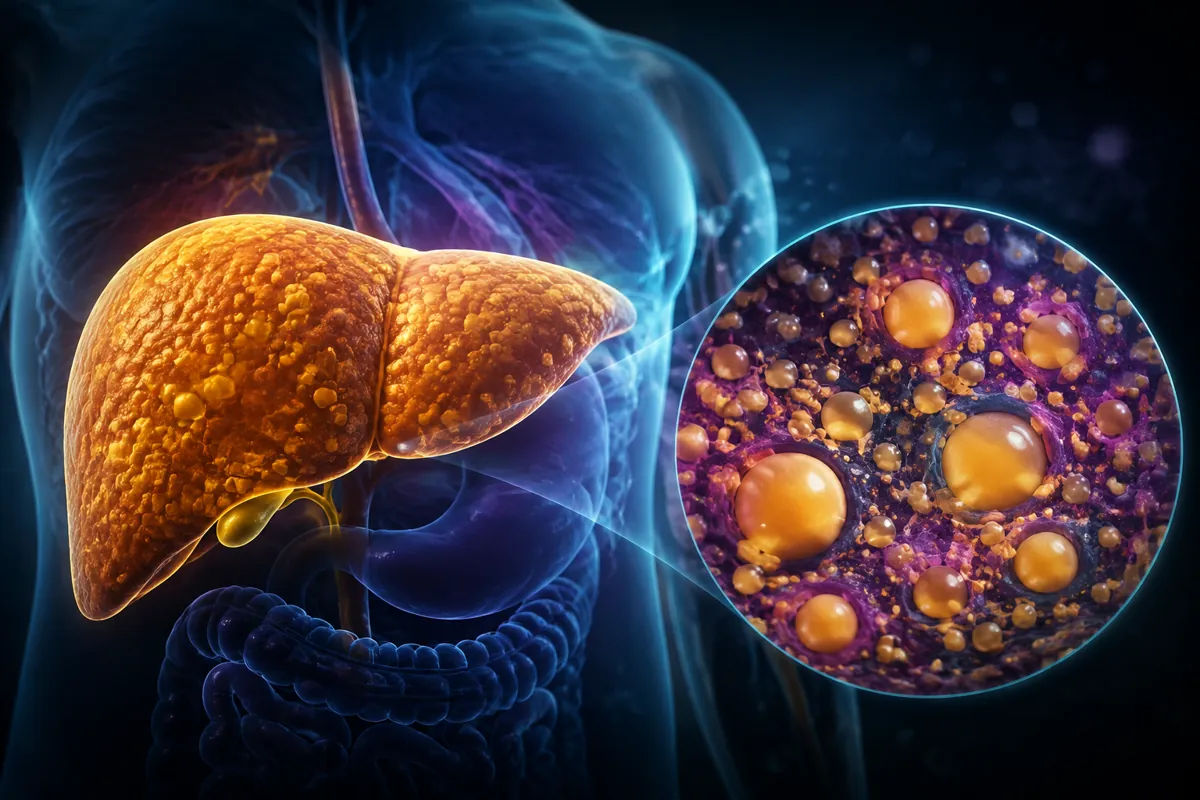
Non-alcoholic fatty liver disease (NAFLD) is a condition that affects an astounding 90 million Americans, making it one of the most prevalent health issues in the United States. Despite its widespread impact, many people remain unaware of the condition and its potential consequences. NAFLD is characterized by the accumulation of excess fat in the liver cells of individuals who consume little to no alcohol, and it can lead to serious health complications if left untreated.
The Link Between Sugar and Fatty Liver Disease
One of the primary culprits behind the development of NAFLD is the excessive consumption of sugar, particularly high fructose corn syrup (HFCS). Found in a wide range of processed foods and beverages, including sodas, HFCS is a type of sugar that is absorbed differently by the body compared to other sugars. When consumed in large quantities, fructose can trigger a process called lipogenesis, which leads to the production of fat in the liver.
The dangers of HFCS extend beyond its role in the development of fatty liver disease. This sweetener has been linked to various other health problems, such as obesity, insulin resistance, and metabolic syndrome. By understanding the relationship between sugar consumption and liver health, individuals can take proactive steps to reduce their risk of developing NAFLD and other related conditions.
Diagnosing Fatty Liver Disease
Diagnosing NAFLD can be challenging, as the condition often presents no apparent symptoms in its early stages. However, several tests can help detect the presence of excess fat in the liver:
- Blood tests: Elevated levels of liver enzymes, such as aspartate aminotransferase (AST) and gamma-glutamyl transferase (GGT), may indicate the presence of fatty liver disease, even if the results fall within the high end of the normal range.
- Liver scans: Non-invasive imaging techniques, such as fibroscan or magnetic resonance imaging (MRI), can provide a more detailed assessment of liver health by measuring the amount of fat in the liver and detecting any signs of scarring or inflammation.
- Other markers: Additional indicators of NAFLD include high triglyceride levels, low HDL cholesterol, and the presence of small, dense LDL cholesterol particles, which can be detected through specialized tests like NMR lipids or Cardio IQ.
By identifying fatty liver disease in its early stages, healthcare providers can work with patients to develop personalized treatment plans that address the underlying causes of the condition and prevent further progression.
The Role of Genetics in Fatty Liver Disease
While lifestyle factors play a significant role in the development of NAFLD, genetic predisposition can also increase an individual’s risk of developing the condition. Certain populations, such as Latin Americans, have been found to have a higher genetic susceptibility to fatty liver disease. This increased risk highlights the importance of early screening and intervention, particularly for individuals with a family history of liver disease or other related health conditions.
Understanding the interplay between genetics and lifestyle factors can help healthcare providers develop more targeted prevention and treatment strategies for NAFLD. By identifying high-risk individuals and providing them with personalized recommendations for diet, exercise, and other lifestyle modifications, it may be possible to mitigate the impact of genetic predisposition and reduce the overall burden of fatty liver disease.
The Consequences of Untreated Fatty Liver Disease
When left untreated, NAFLD can progress to more severe forms of liver damage, such as nonalcoholic steatohepatitis (NASH), cirrhosis, and even liver failure. These advanced stages of liver disease can have a profound impact on an individual’s overall health and quality of life, increasing the risk of developing other serious conditions, such as:
- Cardiovascular disease
- Type 2 diabetes
- Liver cancer
- Cognitive decline and dementia
In extreme cases, the damage caused by NAFLD can be so severe that a liver transplant becomes necessary. This is particularly alarming when considering the increasing prevalence of fatty liver disease among younger individuals, with some cases even requiring transplantation in patients as young as 12 years old.
By raising awareness about the potential consequences of untreated NAFLD, healthcare providers and public health officials can encourage more individuals to seek early diagnosis and treatment, ultimately reducing the burden of liver disease and its associated complications.
Lifestyle Modifications for Reversing Fatty Liver Disease
The good news is that NAFLD is a largely preventable and reversible condition, with lifestyle modifications playing a crucial role in its management. While there are currently no medications specifically approved for the treatment of fatty liver disease, making targeted changes to one’s diet and exercise routine can have a significant impact on liver health.
Dietary Interventions
One of the most effective ways to combat NAFLD is by reducing the consumption of high fructose corn syrup and other sources of added sugars. By eliminating processed foods and beverages that contain HFCS, individuals can help prevent the development of fatty liver disease and promote overall liver health.
In addition to minimizing sugar intake, adopting a diet rich in healthy fats, such as those found in avocados, olive oil, nuts, and seeds, can support liver function and reduce inflammation. Omega-3 fatty acids, found in fatty fish and certain plant-based sources, have also been shown to have protective effects on the liver.
Incorporating detoxifying foods into one’s diet can further support liver health. Cruciferous vegetables, such as broccoli, kale, and Brussels sprouts, contain compounds that help activate the body’s natural detoxification pathways. Other liver-supportive foods include garlic, onions, cilantro, and parsley, all of which contain sulfur compounds that aid in the removal of toxins.
Exercise and Physical Activity
Regular exercise is another critical component of managing NAFLD. Physical activity helps improve insulin sensitivity, reduce inflammation, and promote weight loss, all of which can have a positive impact on liver health. Engaging in a combination of aerobic exercise and strength training can provide the most comprehensive benefits for individuals with fatty liver disease.
Targeted Supplementation
In addition to dietary and lifestyle changes, certain supplements may help support liver function and reduce the impact of NAFLD. Some of the most promising supplements for liver health include:
- N-acetylcysteine (NAC): This amino acid derivative helps boost the production of glutathione, a powerful antioxidant that plays a crucial role in liver detoxification.
- Lipoic acid: Another potent antioxidant, lipoic acid has been shown to improve insulin sensitivity and reduce oxidative stress in the liver.
- Milk thistle: This herb contains silymarin, a compound that has been found to have protective effects on the liver, helping to reduce inflammation and promote regeneration of liver cells.
- B vitamins, magnesium, and other essential nutrients: Ensuring adequate intake of key vitamins and minerals can support overall liver function and help prevent nutrient deficiencies that may exacerbate liver damage.
By incorporating a combination of dietary modifications, regular exercise, and targeted supplementation, individuals with NAFLD can take proactive steps to improve their liver health and reduce the risk of progressive liver damage.
The Importance of Early Intervention and Ongoing Monitoring
Given the silent nature of NAFLD and its potential to progress to more severe forms of liver disease, early intervention and ongoing monitoring are essential for managing the condition effectively. Healthcare providers play a critical role in identifying individuals at risk for fatty liver disease and providing them with the tools and resources needed to make lasting lifestyle changes.
Regular screenings, including liver function tests and imaging studies, can help track the progression of NAFLD and guide treatment decisions. By working closely with patients to develop personalized management plans and providing ongoing support and education, healthcare providers can empower individuals to take control of their liver health and reduce the burden of fatty liver disease.
Raising Awareness and Promoting Liver Health
Despite the widespread prevalence of NAFLD, public awareness about the condition remains relatively low. By increasing education and outreach efforts, healthcare providers, public health officials, and community organizations can help raise awareness about the importance of liver health and the steps individuals can take to prevent and manage fatty liver disease.
Encouraging open dialogues about liver health, promoting healthy lifestyle habits, and advocating for policies that support access to nutritious foods and safe spaces for physical activity can all contribute to the prevention and management of NAFLD on a broader scale. By working together to address this silent epidemic, we can help improve the health and well-being of millions of individuals affected by fatty liver disease.
Conclusion
Non-alcoholic fatty liver disease is a serious and increasingly prevalent condition that can have far-reaching consequences for individual and public health. By understanding the risk factors, diagnostic tools, and management strategies associated with NAFLD, healthcare providers and the general public can work together to prevent, detect, and treat this silent epidemic.
Through a combination of lifestyle modifications, early intervention, and ongoing monitoring, it is possible to reverse the course of fatty liver disease and promote long-term liver health. By raising awareness, advocating for health-promoting policies, and empowering individuals to take control of their own well-being, we can combat the growing burden of NAFLD and improve the lives of countless individuals affected by this condition.