 PRADEEP ALBERT
Unraveling the Role of Fructose Metabolism in Metabolic Disease
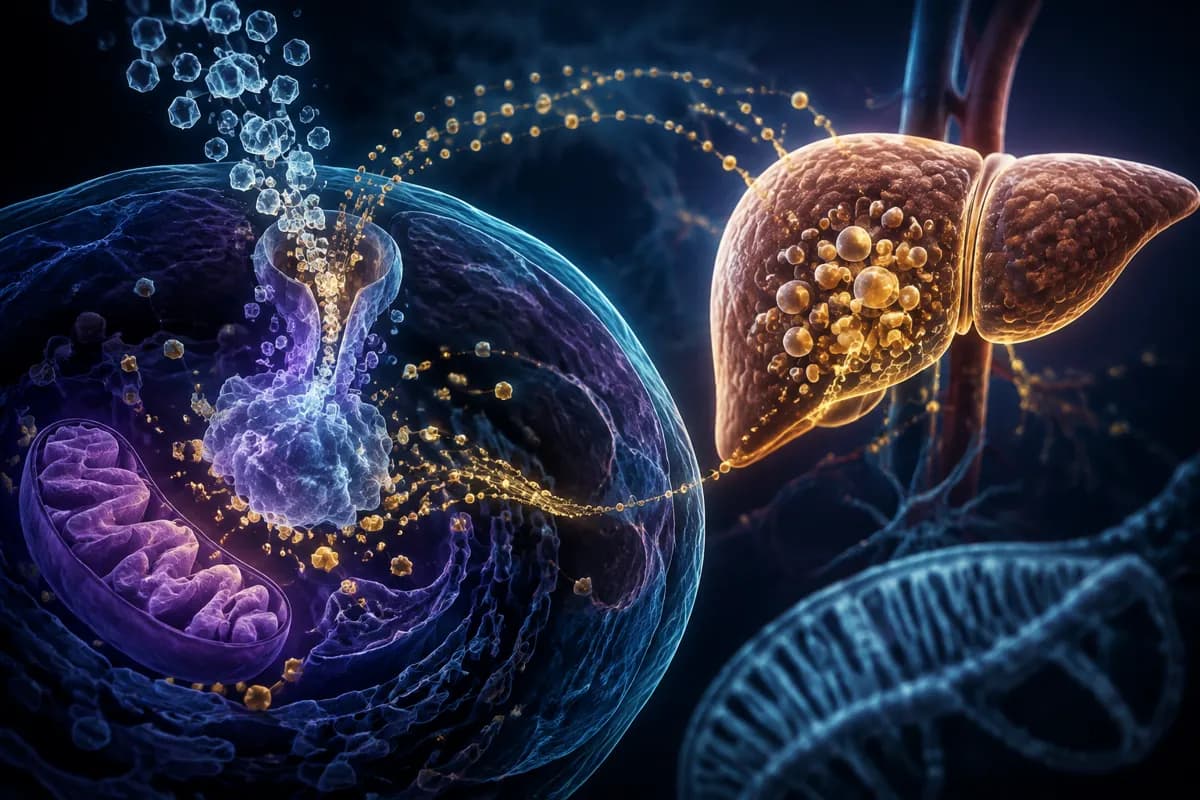
How Fructose Uniquely Stresses Cellular Metabolism
Fructose, a simple sugar found in many foods, is uniquely metabolized in the body through a pathway involving the enzyme fructokinase. This pathway causes rapid ATP depletion, generation of uric acid, increased fat production, and reduced fat burning. Essentially, fructose metabolism mimics and signals a state of starvation to the body.
This leads to activation of adaptive survival mechanisms aimed at conserving and storing energy. Hunger and drive to seek out food are increased, while at the same time, signals to start burning fat are diminished. This ultimately results in increased food intake coupled with preferential shunting of calories towards fat creation and storage.
The Role of the Liver
The liver is the primary site of fructose metabolism and is largely responsible for driving the metabolic effects seen with excess fructose consumption. While other sites like the brain, kidney, and fat tissue also contain fructokinase, the liver is key in development of fatty liver, insulin resistance, obesity and other features of metabolic syndrome.
Dose and Concentration Matter
Not all fructose is bad. Fruits and vegetables contain small amounts of fructose, typically ranging from 3 to 9 grams per serving. The intestine can handle these lower doses without triggering the problematic starvation response. Higher doses from added sugars or sweetened beverages overwhelm this protective mechanism.
Additionally, liquid forms leading to faster absorption and greater peak concentrations further drive the issues with excess fructose intake.
The Body Can Produce Its Own Fructose
Originally it was thought that simply restricting dietary fructose intake could treat metabolic disease. However, we now know the body can produce fructose from glucose via the polyol pathway. This pathway is activated under conditions of high glucose, elevated uric acid levels, and increased osmolality (molecule concentration).
High Glycemic Foods
Foods like bread, rice, potatoes and other refined carbohydrates generate substantial glucose when digested. Up to 25% of this glucose can get converted to fructose in the liver by the polyol pathway. This fructose then triggers all the downstream metabolic consequences covered earlier.
Uric Acid and Aldose Reductase
Fructose metabolism inherently leads to uric acid production. Elevated uric acid in turn stimulates aldose reductase, the enzyme responsible for converting glucose to fructose. This establishes a positive feedback loop promoting more endogenous fructose generation.
Salt, Osmolality and Aldose Reductase
High salt foods increase blood sodium and osmolality, also activating aldose reductase. This combination of both glucose and sodium from something like potato chips enables substantial fructose production. The generated fructose then drives weight gain and metabolic disease.
Impact of Fructose Metabolism on Blood Pressure
Excess fructose has acute and chronic effects to raise blood pressure. In the short term, fructose causes vasoconstriction and inhibits nitric oxide, spikes in both effects translating to transient bumps in blood pressure.
However, over months to years, fructose fuels a self-perpetuating cycle of systemic inflammation, oxidative stress, and metabolic dysregulation causing sustained hypertension.
Kidneys, Nitric Oxide and Blood Flow
The kidneys represent ground zero for much of fructose’s longer-term effects on blood pressure elevation. Here is a high level summary this complex pathway:
- Fructose metabolism generates uric acid
- Uric acid causes low grade renal inflammation
- This renal inflammation reduces nitric oxide
- Reduced nitric oxide decreases kidney blood flow
- Decreased renal blood flow diminishes sodium excretion
- Sodium retention then perpetuates hypertension
Vasopressin Facilitates Metabolic Consequences
The hormone vasopressin also participates in fructose’s obesogenic and hypertensive effects. Both fructose and salt drive release of vasopressin from the brain.
Vasopressin then activates the V1b receptor pathway. Though not well characterized before, this pathway facilitates fat storage and helps trigger insulin resistance. Blocking V1b signaling protects mice from otherwise obesogenic effects of excess sugar and salt.
Ongoing Search for Therapies
A number of pharmaceutical firms have been developing compounds capable of inhibiting fructokinase activity. Animal models clearly demonstrate proof of concept that blocking fructose metabolism prevents obesity, fatty liver, hypertension and other elements of metabolic syndrome.
One such fructokinase inhibitor already showed positive effects to treat fatty liver disease and insulin resistance in early human trials. However, research is still generally early stage. It may be years before such agents reach clinical practice.
Takeaway Guidance on Fructose Intake
Based on evolving understanding covered here, some takeaways on moderating fructose intake include:
- Avoid drinking fructose in the form of sodas, juices and other sweetened beverages
- Limit added fructose from processed foods to less than 10 grams per day
- Fruits and vegetables generally only provide 3 to 9 grams of fructose per serving
- Modest fructose intake from whole foods is likely acceptable
Additionally, lowering dietary sodium, staying well hydrated, maintaining active lifestyle, and engaging with your physician about screening tests and emerging treatment options all remain as prudent strategies.