 PRADEEP ALBERT
Balancing Hormones for Optimal Appetite Control and Weight Management
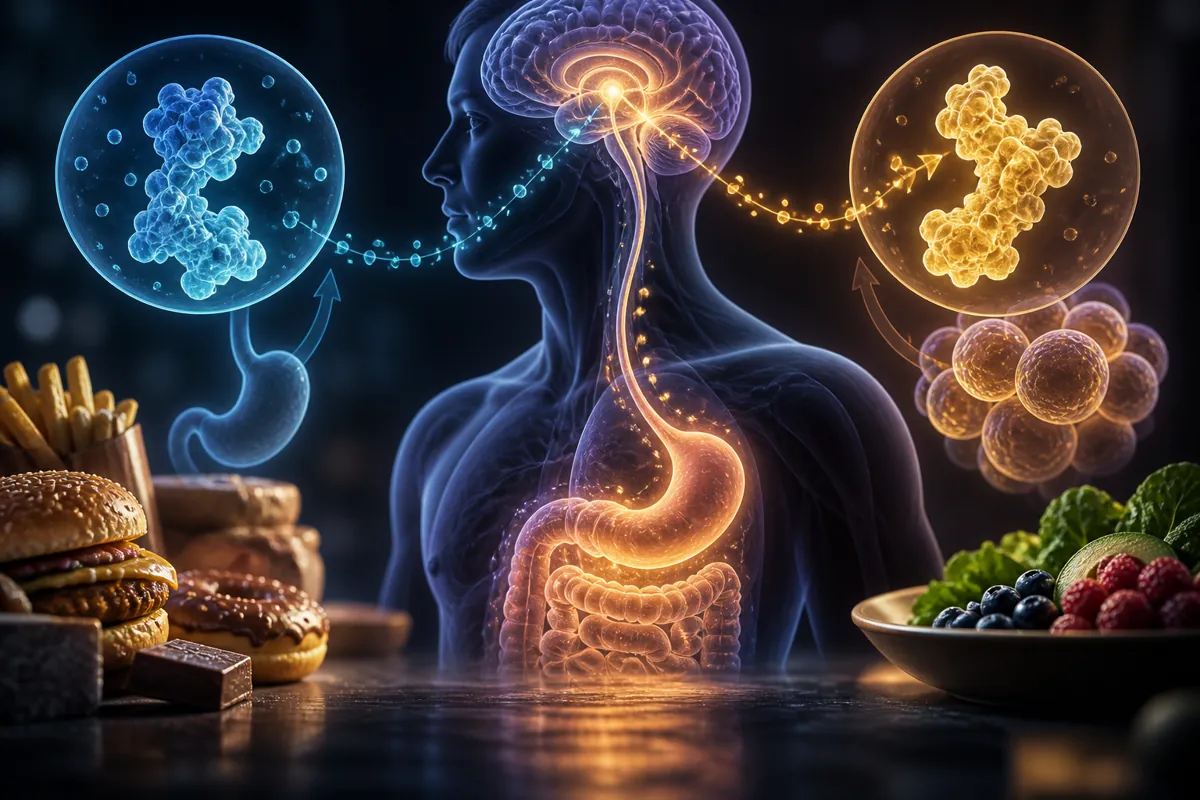
Hormones play a crucial role in regulating various functions in our bodies, including appetite, hunger, and weight management. Two key hormones involved in this process are leptin and ghrelin. Understanding how these hormones work and the factors that can disrupt their balance is essential for maintaining a healthy weight and overall well-being.
The Hunger Hormone: Ghrelin
Ghrelin, also known as the “hunger hormone,” is produced in the stomach. When the stomach is empty, ghrelin levels increase, signaling to the brain that it’s time to eat. After a meal, ghrelin levels decrease, helping to promote feelings of satiety.
In addition to its role in hunger signaling, ghrelin also plays a part in sugar metabolism, glucose regulation, and energy balance. Imbalances in ghrelin levels can contribute to overeating and weight gain.
The Satiety Hormone: Leptin
Leptin, on the other hand, is known as the “satiety hormone.” It is produced by fat cells and helps regulate long-term body weight by communicating with the brain about the body’s energy stores.
When functioning properly, high levels of leptin indicate to the brain that there is sufficient stored energy, leading to reduced hunger and increased feelings of fullness. Conversely, low leptin levels signal a need to consume more food and store additional fat.
The Leptin-Ghrelin Balance
Leptin and ghrelin work together to maintain energy balance and regulate appetite. Ghrelin triggers hunger and signals when it’s time to eat, while leptin promotes feelings of fullness and indicates when to stop eating.
In a healthy individual, these hormones fluctuate in response to food intake and energy needs. However, various factors can disrupt this delicate balance, leading to appetite dysregulation and weight gain.
Factors Disrupting Hormone Balance
Sleep Deprivation
Inadequate sleep is a significant contributor to hormone imbalances. Studies have shown that sleep deprivation leads to increased levels of ghrelin and decreased levels of leptin, resulting in increased hunger and cravings for carbohydrate-rich foods.
Aim for 7-9 hours of quality sleep each night to help regulate appetite hormones and maintain a healthy weight.
Inflammation
Chronic inflammation, particularly in the presence of excess visceral fat (belly fat), can lead to leptin resistance. In this state, the brain becomes less sensitive to leptin’s signals, leading to a perceived state of starvation despite adequate fat stores.
Reducing inflammation through a balanced diet, regular exercise, and stress management techniques can help improve leptin sensitivity and appetite regulation.
Ultra-Processed Foods
Consuming a diet high in ultra-processed foods, particularly those rich in sugar and refined carbohydrates, can disrupt appetite hormones. These foods can cause rapid spikes in blood sugar, followed by crashes that trigger increased hunger and cravings.
Opting for whole, minimally processed foods can help stabilize blood sugar levels and promote better appetite control.
Strategies for Regulating Appetite Hormones
Eat Whole, Unprocessed Foods
Focus on consuming a diet rich in whole, unprocessed foods such as fruits, vegetables, whole grains, lean proteins, and healthy fats. These nutrient-dense foods provide sustained energy and help regulate appetite hormones.
Avoid Late-Night Eating
Eating late at night can disrupt leptin and ghrelin levels, leading to increased hunger and reduced feelings of fullness. Aim to avoid eating within 3-4 hours of bedtime to allow your body time to digest and regulate appetite hormones effectively.
Prioritize Protein
Incorporating adequate amounts of high-quality protein into your diet can help suppress ghrelin levels and promote feelings of satiety. Choose lean protein sources such as poultry, fish, legumes, and low-fat dairy products.
Stay Active
Regular physical activity, particularly high-intensity interval training (HIIT), has been shown to improve leptin sensitivity. Aim for at least 150 minutes of moderate-intensity exercise or 75 minutes of vigorous-intensity exercise per week, incorporating HIIT sessions when possible.
Manage Stress
Chronic stress can lead to elevated cortisol levels, which can negatively impact leptin production and appetite regulation. Engage in stress-reducing activities such as meditation, deep breathing exercises, yoga, or spending time in nature to help manage stress and support hormone balance.
The Bottom Line
Appetite regulation and weight management are complex processes influenced by various hormones, including leptin and ghrelin. By understanding the factors that can disrupt hormone balance and implementing strategies to support optimal hormone function, individuals can better control their appetite and maintain a healthy weight.
Remember, achieving hormone balance is not about relying on willpower alone. It requires a holistic approach that addresses lifestyle factors such as diet, sleep, physical activity, and stress management. By making gradual, sustainable changes in these areas, you can work with your body’s natural hormonal systems to promote optimal health and well-being.