 PRADEEP ALBERT
Demystifying Insulin Resistance: A Major Driver of Metabolic Disease
What is Insulin and What Does it Do?
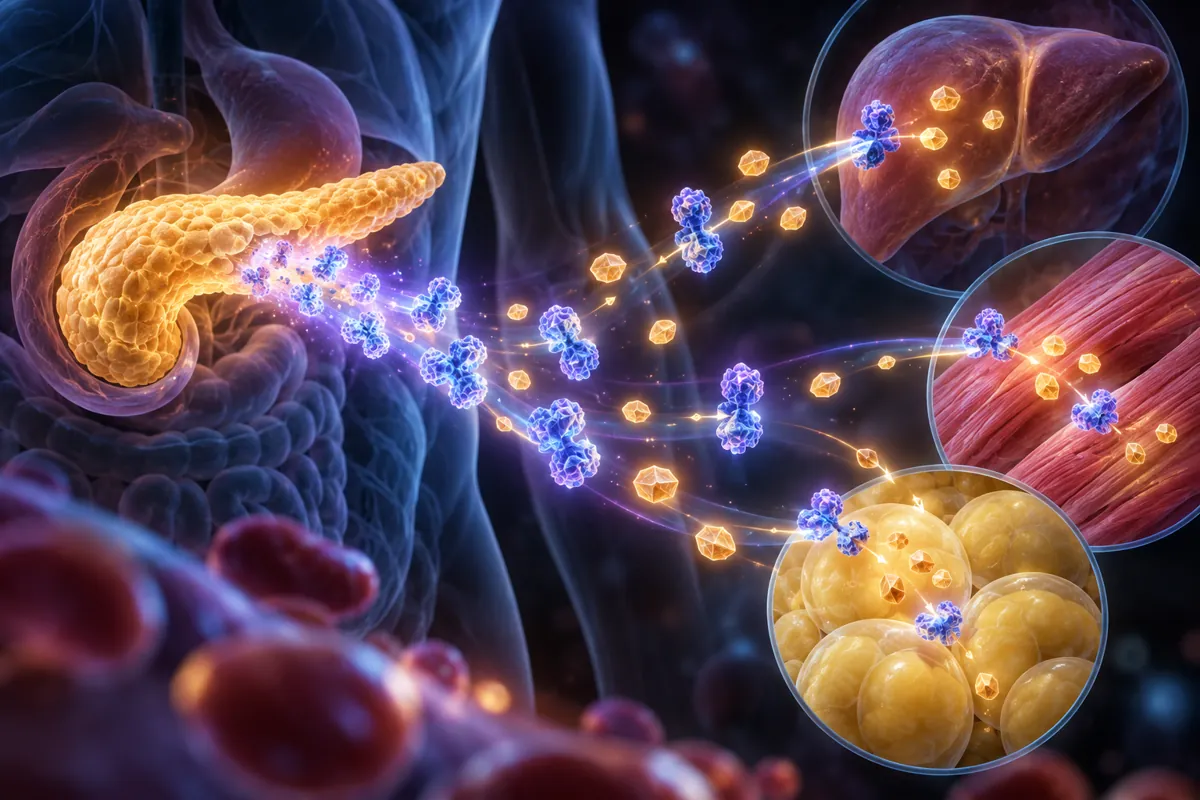
Insulin is an anabolic hormone secreted by the pancreas in response to rises in blood glucose, such as after a meal. Its role is to facilitate the storage of energy from glucose and other nutrients for later use by body tissues such as muscle, liver, and fat.
Specifically, insulin helps to:
- Drive glucose from the bloodstream into muscle and other tissues
- Stimulate the conversion of glucose to glycogen, a storage form of glucose, in muscles and liver
- Enhance glycogen formation and storage in muscles and liver
- Increase the uptake of fatty acids into fat cells and promote fat storage
In essence, insulin is the body’s facility for building, storing and distributing energy from food for use across the body’s systems.
Introducing Insulin Resistance
Insulin resistance refers to a reduced ability of tissues such as muscle, fat and liver to respond appropriately to the effects of insulin. Put simply, these tissues exhibit impaired uptake of glucose and reduced glycogen synthesis in response to insulin.
This means higher levels of insulin are required for the same amount of glucose to be absorbed. The body tries to compensate by producing more insulin, but over time the cells become increasingly resistant.
Measuring Insulin Resistance
Research-grade techniques used to accurately quantify insulin resistance like euglycemic clamps are complex and impractical for clinical practice. However oral glucose tolerance tests (OGTT) provide a reasonably good picture.
An OGTT measures the blood glucose and insulin response over 2 hours after rapidly ingesting a standardized 75g glucose drink. It reveals dynamic changes in insulin and glucose during the transition from fasting to fed state unlike fasting levels alone.
The earliest sign of trouble is when insulin rises dramatically while glucose remains normal. Over time glucose levels start to climb as well. These increasing insulin spikes indicate insulin resistance is building long before fasting glucose gets high enough to diagnose diabetes.
Insulin Resistance in Muscles vs Liver
Insulin resistance manifests slightly differently in muscles compared to liver and fat cells despite having the same root causes.
Within muscles, it surfaces as reduced glucose uptake and glycogen synthesis in response to insulin. In the liver however, persistent glucose output despite high insulin levels is the hallmark of hepatic insulin resistance.
Muscle Insulin Resistance Cascade
The cascading progression of muscle insulin resistance is as follows:
- Insulin spikes higher to compensate for impaired glucose uptake into muscles
- Glucose levels start to rise as compensation fails
- Fasting insulin rises as insulin resistance worsens
- Finally fasting glucose climbs as cells reach exhaustion attempting to overcome resistance
Hepatic Insulin Resistance
In liver cells, insulin normally acts to slow glucose production between meals as ample glucose is now available from the meal consumed.
But in insulin resistant states, the liver continues churning out glucose despite high insulin levels. This relentless endogenous glucose production maintains highly elevated glucose levels day and night.
Consequences of Unresolved Insulin Resistance
Insulin resistance rarely exists in isolation. It typically appears as part of a cluster of metabolic abnormalities characterized as metabolic syndrome. Central obesity, high blood pressure, high blood fats and glucose intolerance reflect underlying insulin resistance.
This constellation of metabolic disruptions heightens risk for type 2 diabetes, fatty liver disease and heart disease. Over 88% of US adults harbor at least one of these metabolic risk factors.
Moreover, insulin resistance promotes inflammation which can trigger oxide stress and cell damage. This accelerates aging and progression of neurological conditions like Alzheimer’s disease.
In short, mediating insulin resistance and metabolic health is central to preserving function, vitality and disease resilience as we age.
Strategies to Overcome Insulin Resistance
Our dietary choices and activity patterns hold remarkable influence over insulin resistance and metabolic health.
Strategically restricting carbohydrates, fasting intermittently and including plenty of physical movement everyday effect powerful beneficial adaptations that enhance insulin sensitivity and metabolic flexibility.
Nutritional ketosis, attained through very low carbohydrate intake, is profoundly therapeutic for reversing insulin resistance and metabolic disease. This dietary approach helps restore homeostatic regulation of glucose control and metabolic health by giving tissues an alternative fuel source.
The long road to today’s metabolic health crisis was paved one poor dietary choice at a time over years and decades. Yet positive steps today carry the promise of reshaping healthy aging trajectories for decades to come.
Key Takeaways on Insulin Resistance
- Insulin resistance impairs vital glucose metabolism and energy regulation
- It manifests as soaring postprandial insulin spikes long before diabetes
- Insulin resistance promotes nearly all metabolic diseases plaguing society
- Dietary patterns and lifestyle choices powerfully influence insulin sensitivity
- Reversing insulin resistance is foundational to healthy aging