 PRADEEP ALBERT
Hacking Metabolism: New Insights into Optimizing Cellular Health
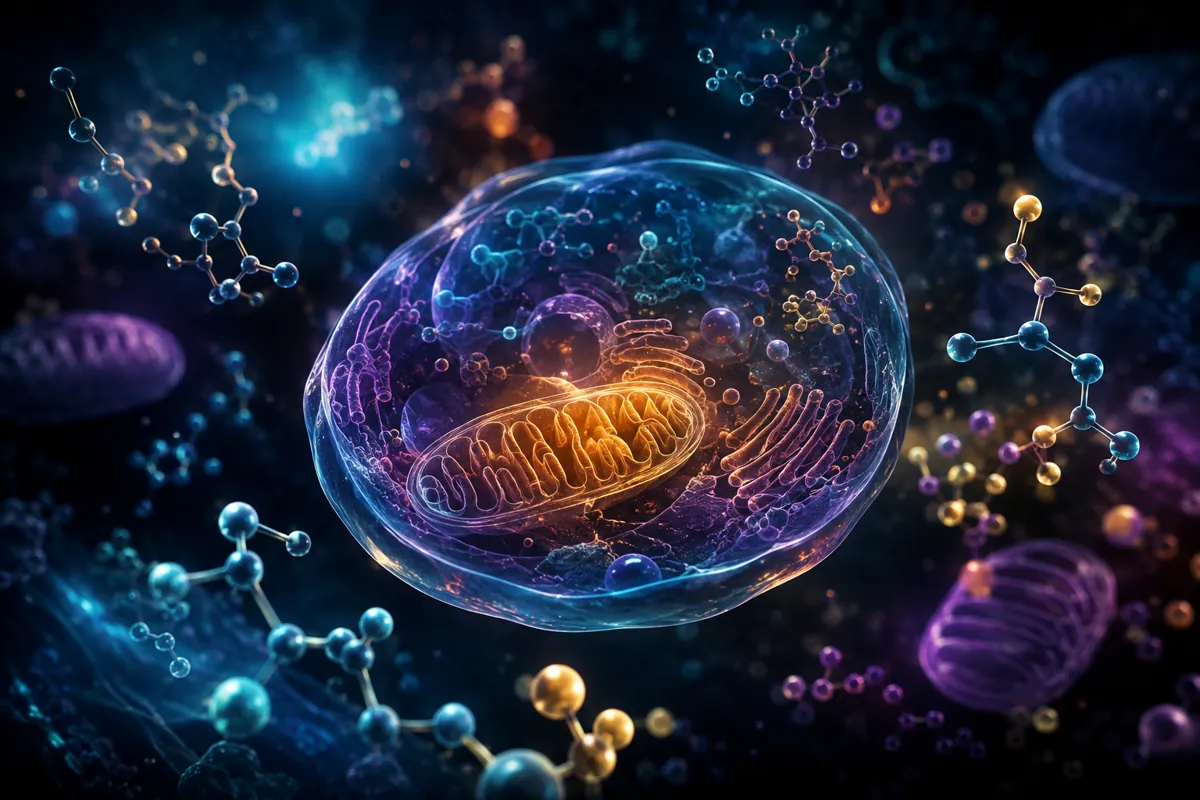
The Frontiers of Metabolomics Research
Metabolism refers to the complex network of chemical reactions that convert food into energy and synthesize essential molecules in our bodies. The relatively new field of “metabolomics” aims to measure all of the metabolites and metabolic pathways operating in a cell, tissue, or organism.
Key topics in metabolomics include:
- Studying “fluxomics” – how metabolic flow rates change over time
- Understanding regulation of key metabolites like glucose and lactate
- Examining lactate as an energy substrate for tissues like the heart
- Developing methods to comprehensively measure metabolites and metabolic pathway activity
This research is shedding light on the intricate regulation of metabolism and revealing new opportunities to optimize health.
The Fundamentals: Electron Transport and the Krebs Cycle
Critical biochemical pathways for extracting energy from food are the electron transport chain and the Krebs cycle. These pathways rely on redox reactions, where electrons are transferred between metabolites through cofactors like NAD/NADH. This facilitates production of the cellular energy currency, ATP.
Key points on electron transport and the Krebs cycle include:
- They break down nutrient inputs like fats, carbs, and proteins into acetyl-CoA
- The Krebs cycle converts acetyl-CoA into carbon dioxide, transferring electrons to NAD to produce NADH
- NADH feeds electrons into the electron transport chain in the mitochondria
- This powers movement of protons across the mitochondrial membrane, which drives ATP synthase to produce ATP
Optimizing flux through these reactions is essential for efficient energy production.
The Cutting Edge of NAD Biology
Nicotinamide adenine dinucleotide (NAD) is a critical cofactor connecting metabolism to the activity of proteins that regulate gene expression and DNA repair. NAD levels decline with age, raising interest in interventions to increase NAD.
Key insights on NAD biology include:
- Oral NAD precursors like nicotinamide riboside (NR) may have minimal effects on NAD levels
- Intravenous NAD appears to increase intracellular NAD levels indirectly after breakdown into precursors like NR
- It remains unclear whether restoring youthful NAD levels will have anti-aging or performance benefits
More research is needed to map NAD’s effects across cell types and determine if NAD-boosting strategies can extend healthspan.
Targeting Cancer Metabolism
The altered metabolic demands of cancer cells present unique vulnerabilities to disrupt their growth. Cancer cells reprogram metabolic pathways to deliver raw materials needed for rapid proliferation.
Key cancer metabolism research directions include:
- Using medication and diet interventions to deprive cancers of fuel sources
- Disrupting cancer DNA/RNA synthesis to provoke anti-tumor immune responses
- Studying links between cancer metabolism and immunotherapy effectiveness
- Examining pancreatic cancer as a model for metastasis and therapeutic resistance
Ongoing studies continue to untangle cancer’s complex metabolic shifts to identify better therapeutic targets.
A Vision for the Future
Emerging insights in metabolism and cancer biology provide reasons for optimism about future healthcare advances. Scientists envision a future where knowledge of metabolic pathways allows physicians to optimize diets and supplement regimens to make immunotherapy more effective against cancer. Researchers are also hopeful that novel methods to disrupt cancer DNA synthesis may provide improved selectivity and efficacy of future chemotherapy agents.
Ongoing elucidation of the intricate dance between metabolites, metabolic enzymes, the microbiome, and cellular health promises to unlock new horizons for managing some of humanity’s most burdensome diseases.
However, experts caution that human biology is immensely complex; simple models often fail to capture this intricacy. They advise that optimism must be tempered with rigorous evidence from animal models and cautious early stage human studies before advancing new therapies to widespread clinical use.