 PRADEEP ALBERT
The journal
Longevity and Anti-Aging
Dr. Albert’s writing on longevity and anti-aging: what the evidence supports, and what still needs more study.
65 articles in Longevity and Anti-Aging. Showing 49 to 65, page 3 of 3.
Emerging Therapies and Research ·
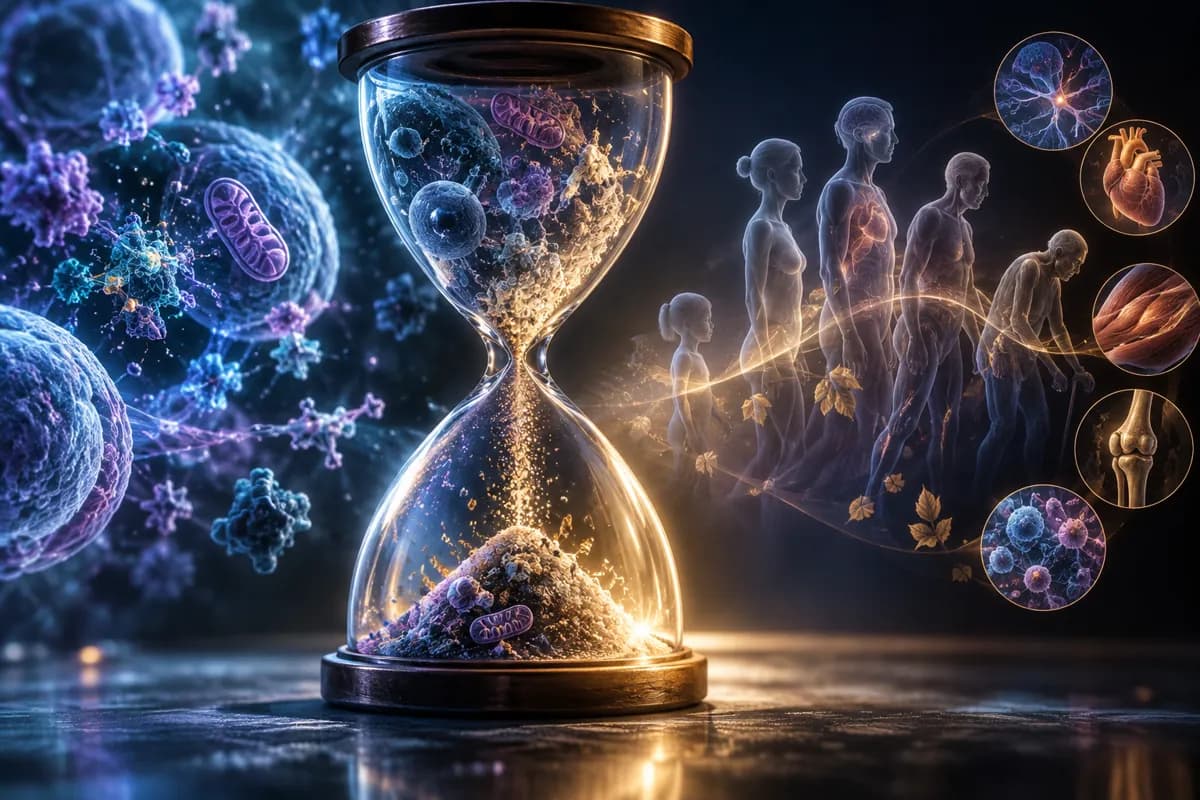
Perspectives on Biological Aging and Implications for Interventions
Defining Aging Through Different Lenses There are various ways to define and conceptualize aging depending on the context. From a biological perspective, aging reflects progressive molecular damage that leads to cellular dysfunction, functional declines across tissues and organs, and increased susceptibility to disease. The "hallmarks of aging" framework characterizes key cellular and molecular changes like…
Read article
Emerging Therapies and Research ·
Examining the Science of Aging: Geo-Protective Molecules and the Search for Reliable Biomarkers
The Ongoing Quest for Aging Biomarkers When it comes to assessing the impact of interventions aimed at slowing or reversing biological aging, the field lacks definitive biomarkers comparable to those available for monitoring conditions like high cholesterol or diabetes. While humans can reliably visually estimate biological age based on factors like wrinkles and muscle mass,…
Read article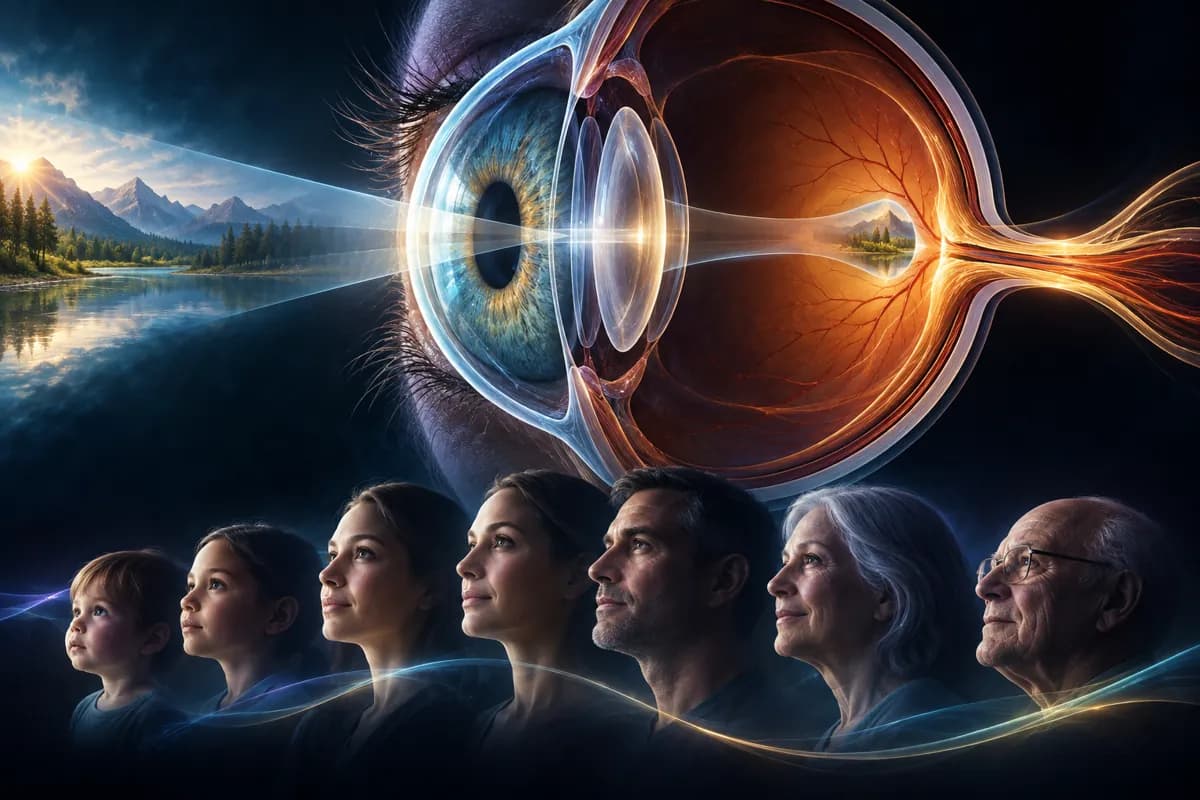
General Health ·
Optimizing Eye Health and Vision Across the Lifespan
Understanding the Fundamentals of Eye Anatomy and Common Vision Problems The eye is a complex structure often likened to a camera, with key components like the cornea, iris, pupil, lens, retina and optic nerve working together to focus light and create images. The cornea acts as a protective covering, while the iris controls how much…
Read article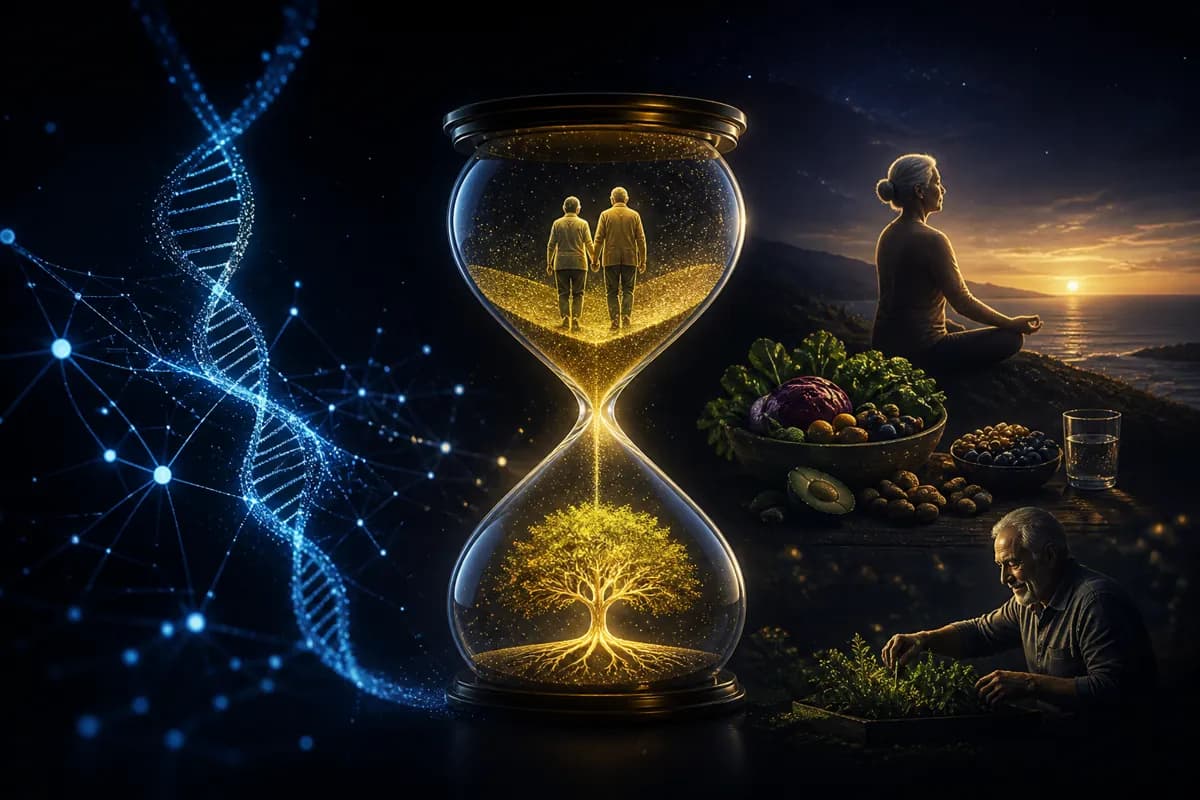
Emerging Therapies and Research ·
The Role of Genetics and Lifestyle in Exceptional Longevity and Healthspan Extension
What Makes Centenarians Different? Centenarians, individuals who live to 100 years or more, provide a fascinating model for understanding the keys to longevity and health. Research on centenarians reveals that genetics play a more significant role in reaching ages over 90-100 compared to just 70-80 years. Studies of identical twins help validate the strong genetic…
Read article
Exercise and Longevity ·
Preserving Strength and Functionality into Old Age: A Longevity-Focused Exercise Framework
Centenarian Olympics: The North Star for Training Rather than optimizing exercise for peak athletic performance or vanity goals, the framework discussed aims to maintain physical functionality all the way into one's 100s. The activities you still want to be able to perform at age 100 serve as the "North Star" guiding training decisions. Dubbed the…
Read article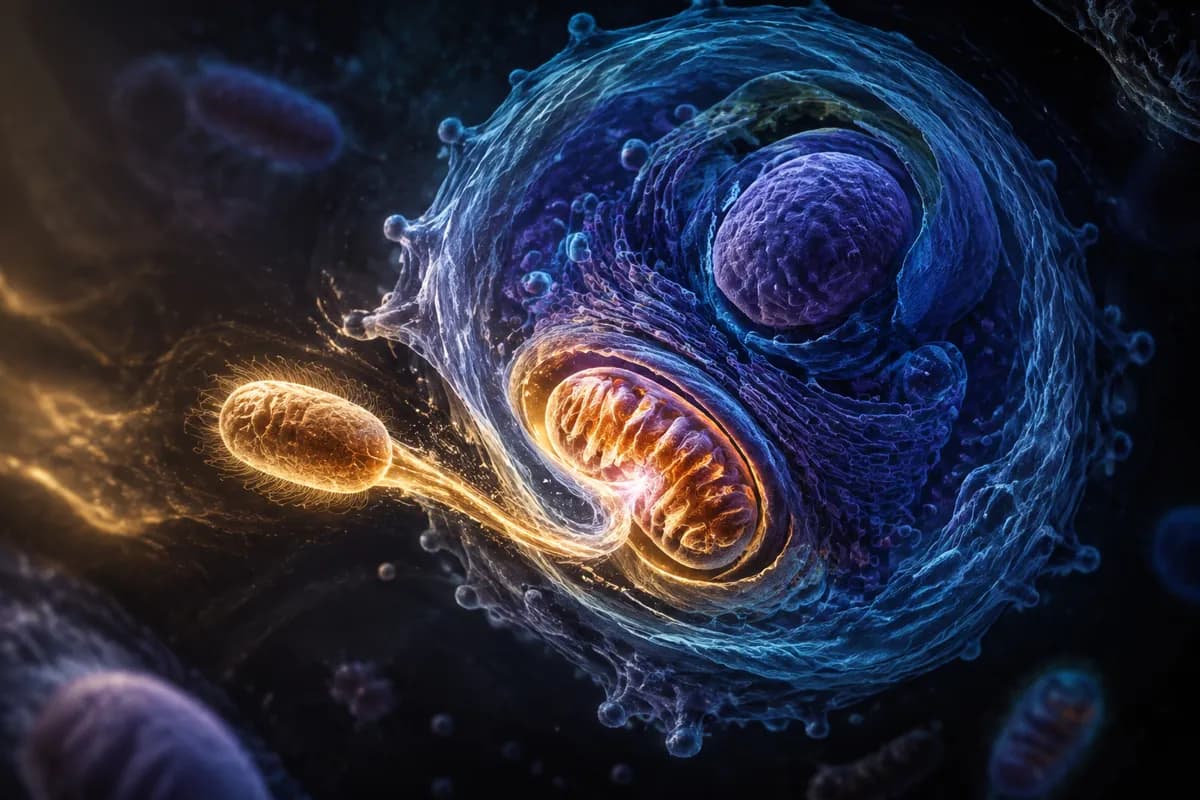
Emerging Therapies and Research ·
Unraveling the Mysteries of Mitochondria and Their Role in Aging and Disease
The Remarkable Evolutionary Origin Story of the Mitochondria Mitochondria, the "powerhouses" of our cells, have a fascinating backstory. Around 1.5 billion years ago, an ancient bacterium was engulfed by another single-celled organism in an event called endosymbiosis. Rather than digesting the bacterium, the host cell harnessed its ability to produce energy. Over time, most of…
Read article
Emerging Therapies and Research ·
Turning Back the Clock: The Quest to Reverse Aging at the Cellular Level
The Loss of Cellular Identity Drives Aging According to Harvard geneticist David Sinclair, aging occurs due to a loss of information within our cells over time. This erosion of fidelity causes cells to lose their identity and function. He relates this to pioneering information theorist Claude Shannon's concept of information loss occurring during transmission of…
Read article
Emerging Therapies and Research ·
Unraveling the Mysteries of Mitochondria: From Energetics to Signaling Roles
The Genesis of Mitochondrial Research Modern mitochondrial research traces back to several pivotal discoveries in the 20th century. In 1937, German biochemist Hans Krebs outlined how mitochondria metabolize nutrients through the TCA cycle to generate energy carriers like NADH. In 1960, British biologist Peter Mitchell solved how mitochondria synthesize ATP through oxidative phosphorylation using the…
Read article
Exercise and Longevity ·
How Exercise Extends Lifespan and Boosts Healthspan
The Mortality Benefits of an Active Lifestyle Exercise provides a remarkable array of health benefits that can significantly extend lifespan and improve quality of life into old age. Epidemiological studies consistently show that physically active people have around a 50% lower risk of mortality compared to their sedentary counterparts. This translates to 3-5 additional years…
Read article
General Health ·
Maintaining Healthy Bones Across the Lifespan
Why Bone Health Matters Strong, healthy bones provide the foundation for our physical structure and mobility. However, many people do not prioritize bone health until they experience issues later in life, like osteoporosis or fractures from falls. Focusing on building and maintaining bone strength early in life can help prevent these problems. Bones act as…
Read article
Emerging Therapies and Research ·
Understanding the Causes, Diagnosis, and Treatments for Hair Loss
Hair Loss is Extremely Common Among Both Men and Women Hair loss is an extremely common issue affecting close to 100 million Americans. It can occur in both men and women due to a variety of factors including genetics, hormones, certain medications, and underlying health conditions. Male pattern baldness linked to dihydrotestosterone (DHT) accounts for…
Read article
Longevity and Anti-Aging ·
Unlocking the Secrets of Healthy Longevity
The Promise of Metformin as an Anti-Aging Therapy Metformin, a common diabetes medication, has shown considerable potential as an anti-aging therapy in recent research. Studies in animals have demonstrated lifespan extension with metformin treatment. Evidence is also building from human epidemiology and clinical trials that metformin may confer health and longevity benefits. The UKPDS trial…
Read article
Lifestyle and Wellness ·
Examining Methylation, Transulfuration, and Folate Pathways: A Closer Look at this Intricate Biochemistry
Why Focus on Methylation and Related Pathways? Methylation refers to the addition of a methyl group to various substrates like DNA, proteins, neurotransmitters etc., an essential process occurring billions of times every second in the human body. The transulfuration pathway is closely linked, funneling essential sulfur from methionine to produce antioxidant glutathione. Together, these pathways…
Read article
Emerging Therapies and Research ·
Preventing Cognitive Decline and Alzheimer's Through Diet, Lifestyle, and Inflammation Control
The Brain Loves Ketones Research increasingly shows the benefits of ketogenic diets and ketone supplementation for providing the brain an efficient, "clean" fuel source to maintain optimal function. Studies demonstrate that inducing nutritional ketosis through high fat, low carb diets or supplements like MCT oil can significantly improve symptoms in neurological conditions like Alzheimer's and…
Read article
Longevity and Anti-Aging ·
Improving Healthspan: Evidence-Based Strategies for Living Longer in Good Health
Improving Healthspan: Evidence-Based Strategies for Living Longer in Good Health Healthspan Strategies: Enhancing Longevity and Quality of Life As human lifespan continues extending into the 80s, 90s, and beyond, an equally important consideration is healthspan – the number of years spent in good health without chronic disease or disability. While longevity gains are laudable, a…
Read article
Longevity and Anti-Aging ·
The Science of Slowing Aging
The Science of Slowing Aging Aging is inevitable, but the speed at which we age is malleable. Lifestyle factors like diet, exercise and stress management can slow aging and extend healthspan – the number of years we live free from major disease. But what are the underlying biological mechanisms that regulate aging? Can we develop…
Read article
Longevity and Anti-Aging ·
Stem Cells: The Fountain of Youth for Longevity and Healthy Aging?
As we age, our bodies gradually lose the ability to efficiently repair and regenerate tissues, leading to many signs of aging and age-related diseases. However, emerging research suggests that stem cells may counteract this decline by enhancing the body's innate regenerative capacity. In this article, we will explore how stem cells might act as a…
Read articlePage 3 of 3