 PRADEEP ALBERT
The journal
The article library
Explore Dr. Albert’s writing on longevity, regenerative medicine, health, and emerging research.
427 articles. Showing 337 to 360, page 15 of 18.

Cardiovascular Health ·
The Potential Health Benefits of Olive Oil
An Overview of Dietary Fats There are three main types of dietary fats – saturated fats, monounsaturated fats, and polyunsaturated fats. These fats have different chemical structures that affect their properties and potential health impacts. Saturated fats have only single bonds between carbon atoms, allowing each carbon to bond with the maximum number of hydrogen…
Read article
Emerging Therapies and Research ·
Revisiting the Roots of the Opioid Crisis and Paths Forwards
Tracing the Origins of OxyContin and the Role of Purdue Pharma The opioid crisis unfolding over the past few decades has had devastating consequences, with over 500,000 lives lost to opioid overdoses. While the crisis today involves illicit drugs like heroin and synthetic opioids, many traces the origins back to the introduction of the prescription…
Read article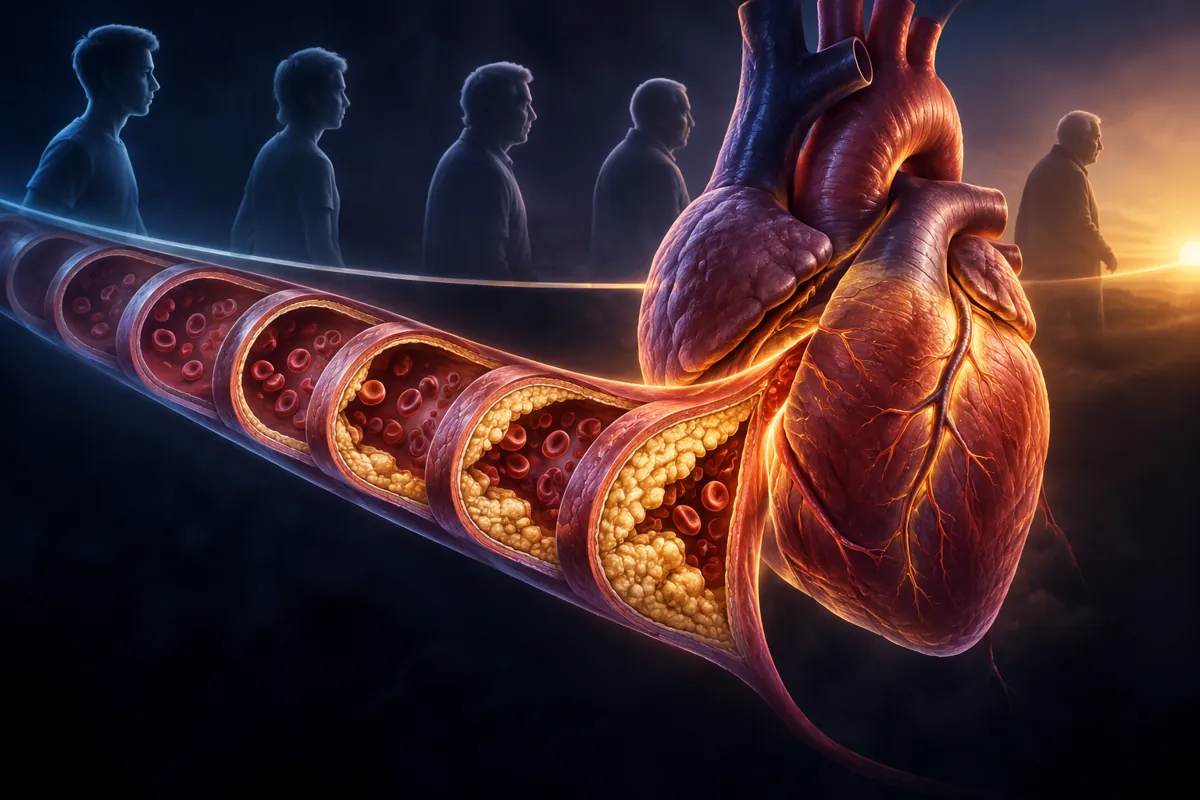
Cardiovascular Health ·
Early Detection and Prevention of Heart Disease: A Silent Killer
Atherosclerosis Develops Over Decades Before Producing Symptoms Atherosclerosis, the buildup of plaque in arteries, starts developing early in life – often in a person’s 20s and 30s – but clinical events like heart attacks usually don’t occur until much later, typically after age 50. This long lag time between the early stages of plaque accumulation…
Read article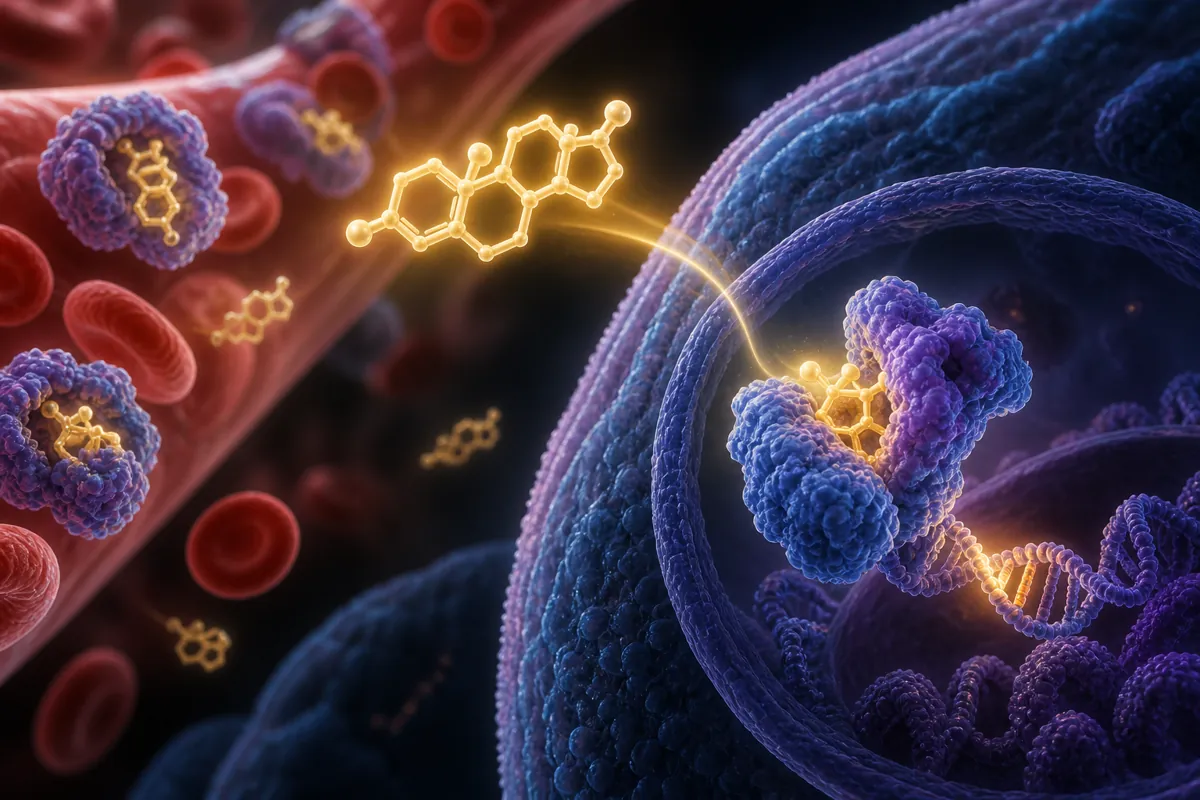
Longevity and Anti-Aging ·
Unraveling the Science of Testosterone and Its Replacement
What is Testosterone and How Does it Work? Testosterone is a steroid hormone synthesized from cholesterol. It enters cells and binds to androgen receptors, causing genes to turn on or off. Only "free" testosterone that is not bound to proteins in the bloodstream is biologically active. When testosterone binds to androgen receptors in cells, it…
Read article
Emerging Therapies and Research ·
Building Muscle and Strength With Blood Flow Restriction
What is Blood Flow Restriction Training? Blood flow restriction (BFR) training involves occluding or restricting blood flow to working muscles during exercise. This is often done by placing an inflatable cuff or elastic wraps around a limb. The cuff is inflated to a pressure that reduces but does not completely block arterial blood flow…
Read article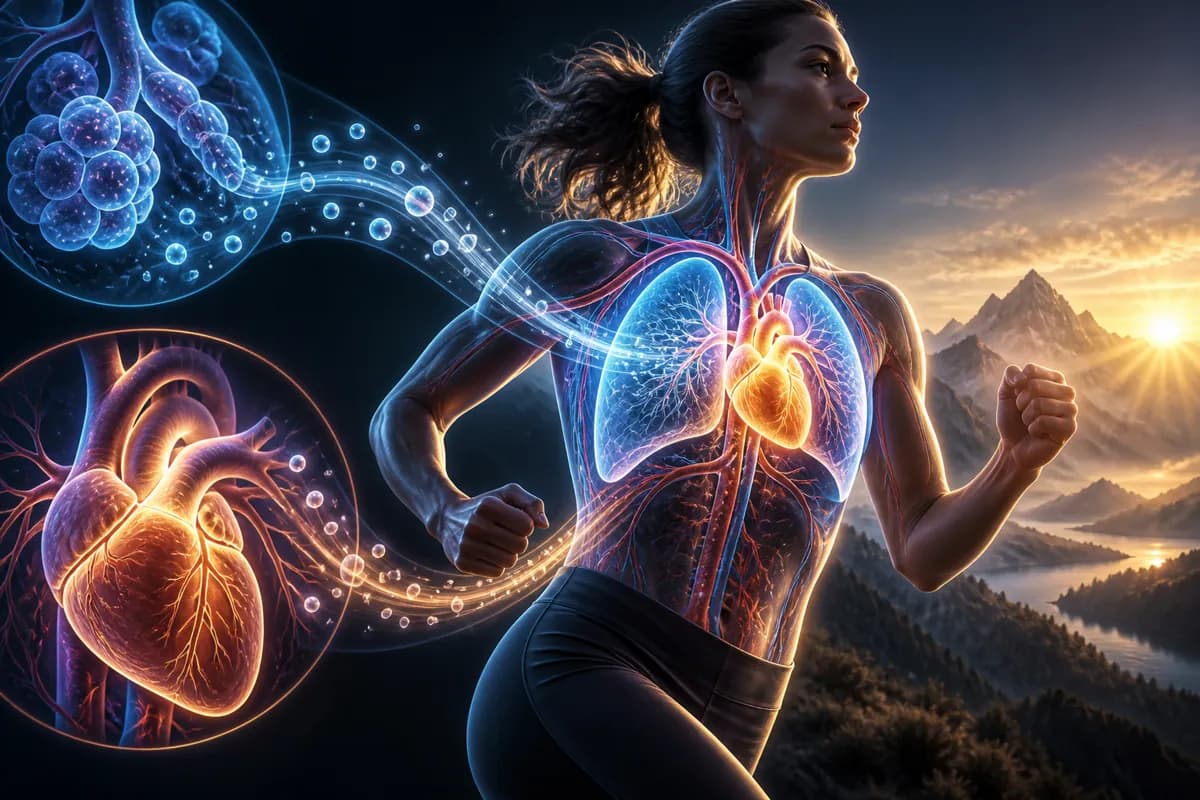
Cardiovascular Health ·
The Powerful Longevity Benefits of Cardiorespiratory Fitness
Introduction Cardiorespiratory fitness, as measured by VO2 max testing, is a key indicator of overall health and a powerful predictor of longevity. VO2 max measures the maximum rate of oxygen consumption during intense exercise, reflecting the fitness level of the cardiovascular and respiratory systems. A wealth of research clearly demonstrates that higher VO2 max levels…
Read article
Cancer ·
Reexamining Cancer Screening to Enhance Longevity
The Importance of Early Detection As medical science progresses towards the goal of enhancing human longevity, addressing mortality from cancer has emerged as a key priority. Unlike some other prevalent diseases that reduce lifespan, cancer may more uniquely impact lifespan while leaving healthspan intact in early stages. As such, host Dr. Peter Attia argues that…
Read article
Emerging Therapies and Research ·
Perspectives on Biological Aging and Implications for Interventions
Defining Aging Through Different Lenses There are various ways to define and conceptualize aging depending on the context. From a biological perspective, aging reflects progressive molecular damage that leads to cellular dysfunction, functional declines across tissues and organs, and increased susceptibility to disease. The "hallmarks of aging" framework characterizes key cellular and molecular changes like…
Read article
Cancer ·
Harnessing the Immune System: Pioneering Immunotherapy for Cancer
The Early Spark of Inspiration The origins of the radical idea to enlist the body's own immune defenses to combat cancer can be traced back to a small number of pivotal patient cases. These cases planted an early seed that would eventually grow into a revolutionary new field of cancer treatment. In one instance, a…
Read article
Diet and Longevity ·
Unraveling the Role of Fructose Metabolism in Metabolic Disease
How Fructose Uniquely Stresses Cellular Metabolism Fructose, a simple sugar found in many foods, is uniquely metabolized in the body through a pathway involving the enzyme fructokinase. This pathway causes rapid ATP depletion, generation of uric acid, increased fat production, and reduced fat burning. Essentially, fructose metabolism mimics and signals a state of starvation to…
Read article
Emerging Therapies and Research ·
Examining the Science of Aging: Geo-Protective Molecules and the Search for Reliable Biomarkers
The Ongoing Quest for Aging Biomarkers When it comes to assessing the impact of interventions aimed at slowing or reversing biological aging, the field lacks definitive biomarkers comparable to those available for monitoring conditions like high cholesterol or diabetes. While humans can reliably visually estimate biological age based on factors like wrinkles and muscle mass,…
Read article
Emerging Therapies and Research ·
Navigating the Complexities of Medical Research
The Process of Scientific Discovery Before a study is ever conducted, researchers first formulate a hypothesis. This sets up a framework to test a specific relationship between variables. For example, a hypothesis could state that drinking coffee turns eyes darker. The null hypothesis would then be that coffee does not change eye color. The alternative…
Read article
Cancer ·
The Forgotten Pioneer of Cancer Metabolism
Introduction In the early 20th century, German scientist Otto Warburg made a groundbreaking discovery about the fundamental difference in how cancer cells metabolize nutrients compared to healthy cells. However, his pioneering work was largely forgotten for decades as cancer research shifted focus to genetics and molecular biology. Recently, there has been renewed interest among cancer…
Read article
Cardiovascular Health ·
The Intricacies of Heart Rate Variability and Alcohol
Understanding Heart Rate Variability Heart rate variability (HRV) refers to subtle variations in the time intervals between heartbeats. It is typically measured in milliseconds using an electrocardiogram (EKG) or other chest-based heart rate monitor. HRV provides insight into the balance between the sympathetic and parasympathetic branches of the autonomic nervous system. The sympathetic system controls…
Read article
General Health ·
Optimizing Eye Health and Vision Across the Lifespan
Understanding the Fundamentals of Eye Anatomy and Common Vision Problems The eye is a complex structure often likened to a camera, with key components like the cornea, iris, pupil, lens, retina and optic nerve working together to focus light and create images. The cornea acts as a protective covering, while the iris controls how much…
Read article
Exercise and Longevity ·
Optimizing Health and Performance through Proper Hydration
The Body's Water Compartments Water makes up around 60% of the human body by weight in adults. This water is divided into fluid inside cells, called intracellular fluid, and fluid outside cells, called extracellular fluid. Intracellular fluid accounts for about 40% of total body water. This is the fluid within the body's tens of trillions…
Read article
Emerging Therapies and Research ·
Reexamining the Science of Obesity: Insights from Leading Researchers
The Evolving Understanding of Obesity's Causes Views on the causes of obesity have changed over time. In the 1980s, a genetic basis was clearly demonstrated through studies on animals and twins. However, even into the 1990s, pharmaceuticals were viewed skeptically and surgery was seen as a last resort. A paradigm shift occurred after a large…
Read article
Exercise and Longevity ·
The Science Behind Elite Cycling Performance
Assessing Capabilities Through Physiological Testing Understanding the physiology of professional cyclists provides insight into the extreme capabilities of elite human performance. Critical metrics like lactate levels and watts per kilogram output at threshold power quantitatively demonstrate overall fitness and race readiness. Measuring blood lactate levels across a range of power outputs categorizes a rider's…
Read article
Cardiovascular Health ·
Preventing and Managing Atherosclerotic Cardiovascular Disease
Why ASCVD Matters Atherosclerotic cardiovascular disease (ASCVD) is the number one cause of mortality worldwide, responsible for over 18 million deaths per year. It is incredibly common, affecting a staggering number of people to some degree over their lifetimes. Alarmingly, ASCVD does not just impact the elderly – over 50% of men and 33% of…
Read article
Cancer ·
Latest Perspectives on Cancer, Heart Health, Alzheimer's Risk and More
Revisiting the Potential of Cancer Immunotherapies Over the past couple of years, optimism around cancer immunotherapies has grown substantially. One revelation is that a remarkable 80% of cancer patients have neoantigens on their tumors that are recognized by their own immune systems. The challenge lies in effectively harnessing the power of the immune system to…
Read article
Emerging Therapies and Research ·
The Role of Genetics and Lifestyle in Exceptional Longevity and Healthspan Extension
What Makes Centenarians Different? Centenarians, individuals who live to 100 years or more, provide a fascinating model for understanding the keys to longevity and health. Research on centenarians reveals that genetics play a more significant role in reaching ages over 90-100 compared to just 70-80 years. Studies of identical twins help validate the strong genetic…
Read article
Exercise and Longevity ·
Preserving Strength and Functionality into Old Age: A Longevity-Focused Exercise Framework
Centenarian Olympics: The North Star for Training Rather than optimizing exercise for peak athletic performance or vanity goals, the framework discussed aims to maintain physical functionality all the way into one's 100s. The activities you still want to be able to perform at age 100 serve as the "North Star" guiding training decisions. Dubbed the…
Read article
Lifestyle and Wellness ·
Navigating Common Plastic Surgery Procedures and Risks
Understanding the Differences Between Board-Certified Plastic Surgeons and Other Physicians Up to 95% of cosmetic procedures in the United States are performed by non-plastic surgeons. This poses considerable risks, as physicians without formal training in plastic surgery may not have the requisite knowledge or experience to perform complex procedures safely. Vetting a surgeon's credentials is…
Read article
Lifestyle and Wellness ·
Unraveling the Complex Web of Metabolic Health
The Elusive Nature of Insulin Resistance Defining insulin resistance precisely has proven difficult, with significant debate around diagnostic criteria. The reality is that there are likely multiple phenotypes of metabolic dysregulation, driven by an intricate web of genetic, lifestyle, and environmental factors. For some, carrying excess weight appears protective, while others develop concerning metabolic abnormalities…
Read articlePage 15 of 18